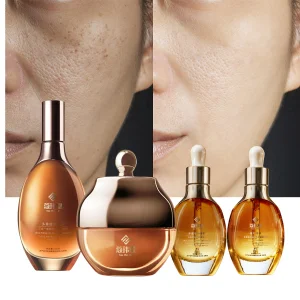
Specifically developed base formulas optimized for barrier repair, intense hydration, and soothing relief under intense UV and urban environmental stresses.
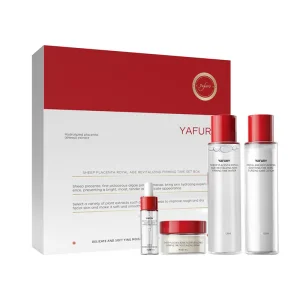
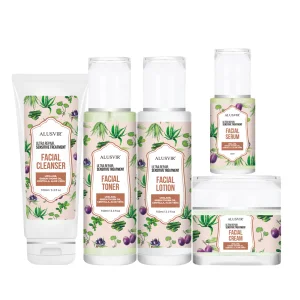
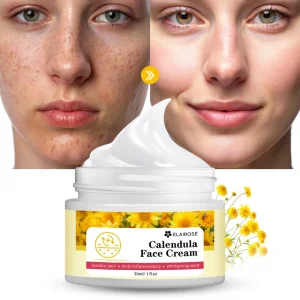
Utilizing high-purity botanical extractions like Centella Asiatica, Calendula, and biomimetic ceramides to reconstruct damaged lipid structures.
Formulations tested specifically to maintain consistency and shelf-life under high temperature fluctuations common in Northern Mexico climates.
End-to-end dossier assistance including ingredient safety checks and labeling adjustments to meet NOM-141-SSA1/SCFI standards.
The sensitive skincare market in Mexico is undergoing a monumental paradigm shift. Driven by environmental stressors, urbanization, and heightened consumer awareness, the demand for targeted dermocosmetic solutions has outpaced generic cosmetic products. According to clinical evaluations, Mexican consumers present distinct skin phototypes (primarily Fitzpatrick IV and V), which display unique susceptibility to post-inflammatory hyperpigmentation (PIH) and barrier degradation when exposed to intense ultraviolet radiation. For brand owners and retail chains in Mexico, securing a manufacturing partner capable of merging advanced biological technologies with regional climatic optimizations is no longer optional—it is a critical barrier to entry.
Historically, the Mexican beauty and personal care market has been dominated by mass-market imported goods. However, the modern Mexican consumer, heavily influenced by global dermatological recommendations and digital E-E-A-T principles, demands clean, dermatologist-backed formulations. The urban areas of Mexico City (CDMX), Monterrey, and Guadalajara present extreme challenges: a combination of high-altitude particulate pollution and aggressive UV radiation. This combination breaks down the skin's natural hydrolipidic film, causing high occurrences of contact dermatitis, rosacea, and micro-inflammation.
From a commercial perspective, international regulations like COFEPRIS (Comisión Federal para la Protección contra Riesgos Sanitarios) mandate strict compliance regarding microbiological safety and non-hazardous ingredients. Formulators must ensure that raw botanical extracts do not trigger photosensitivity. Consequently, the industry is witnessing an exponential demand for hypoallergenic, fragrance-free, and non-comedogenic OEM/ODM manufacturing that directly addresses the needs of the Latin American consumer.
On a global scale, the sensitive skincare market has evolved from simple "allergen-free" positioning to "microbiome-focused barrier therapy." The market is moving away from synthetic mineral oils and silicones toward biomimetic lipids, plant-derived squalane, and fermented bio-actives. The modern factory must operate cleanrooms equivalent to pharmaceutical standards (ISO Class 8 or Class 100,000) to minimize contamination risk without relying on aggressive chemical preservatives, which are themselves major triggers for sensitive skin flare-ups.
In addition, clean beauty and eco-ethical standards require that ingredients are sustainably sourced, biodegradable, and processed using green chemistry principles. Factories must integrate advanced testing systems—including clinical patches, trans-epidermal water loss (TEWL) assessments, and in-vitro safety profiling—to guarantee safety metrics before shipping products across international borders.
To successfully market sensitive skin products in Mexico, formulations must be customized to local environments:
The future of manufacturing sensitive skincare lies in cellular mimicry and biotechnological synthesis. ROTT Beauty's R&D department is executing a multi-year technical roadmap focused on:
Building a successful beauty brand in Mexico requires an integrated supply chain. Working with a Chinese powerhouse manufacturer like ROTT Beauty offers critical structural advantages:
Take a look inside our 15,000 square meter, GMPC and ISO certified cosmetics manufacturing facilities supplying global markets.
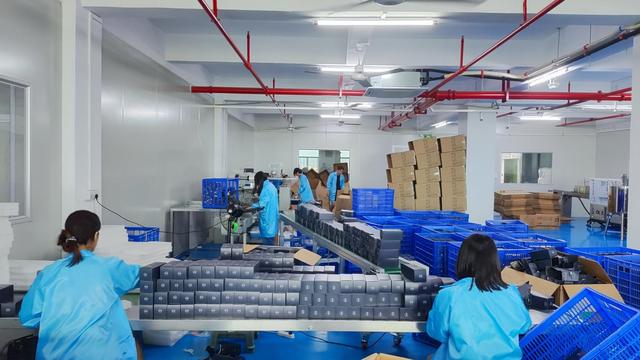
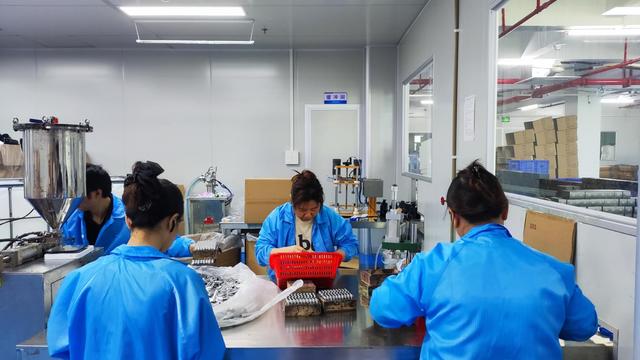
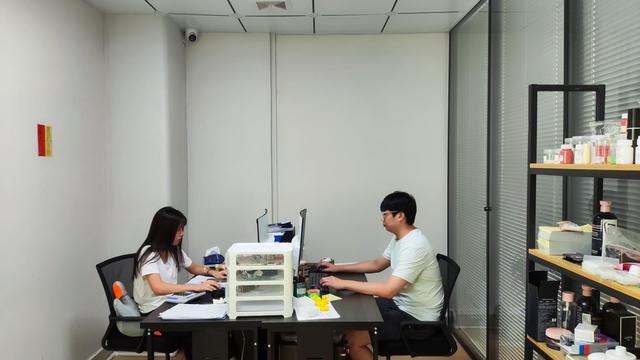
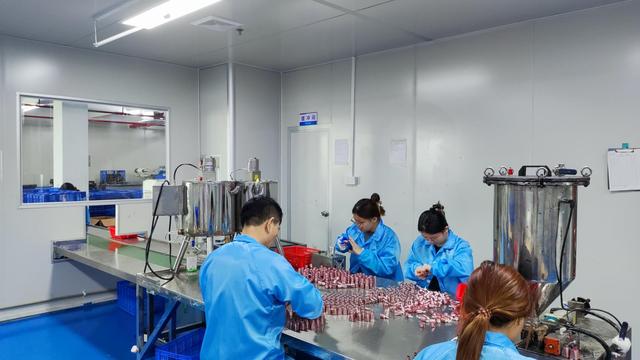
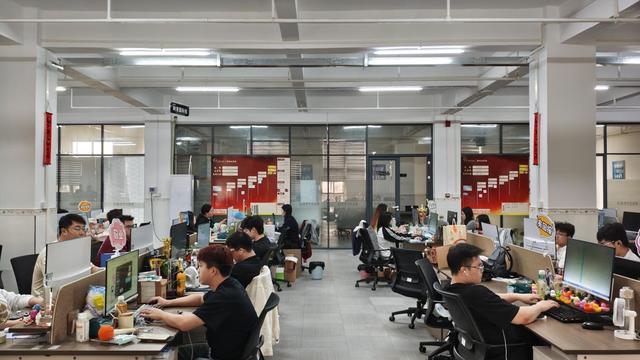
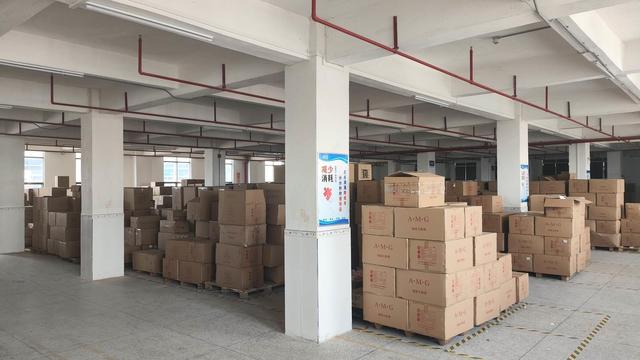
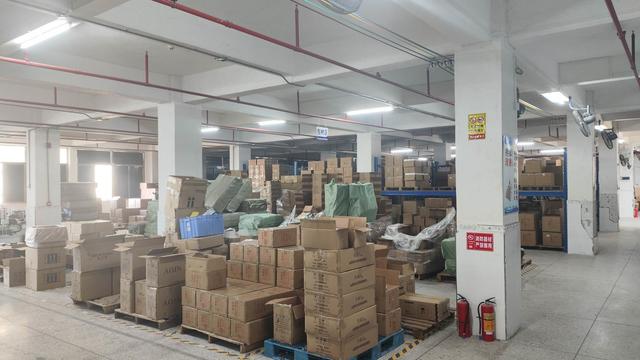
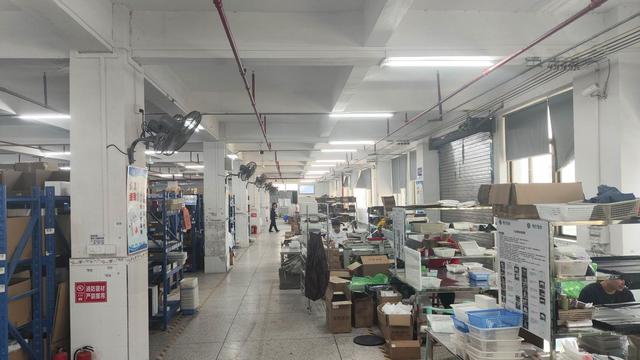
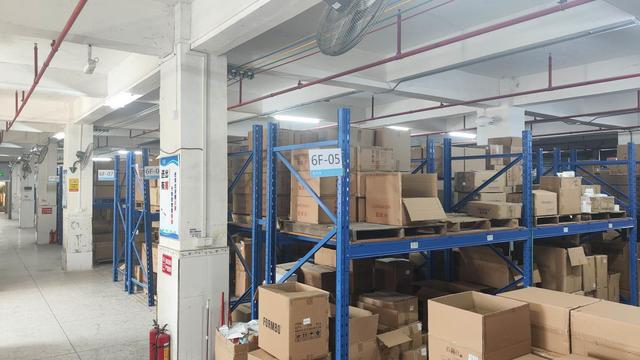
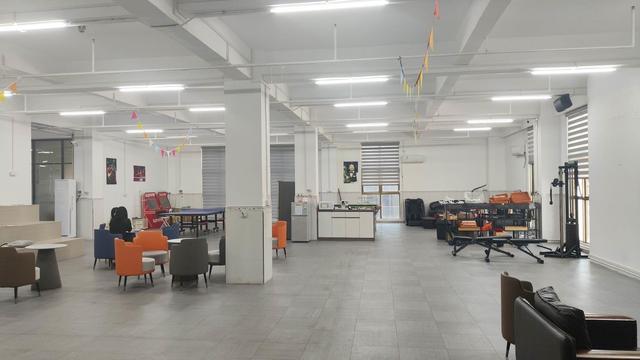
Fully customizable formulations available for immediate registration, batch production, and private-label distribution in Mexico.
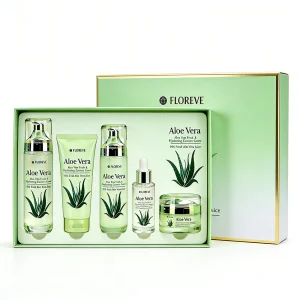
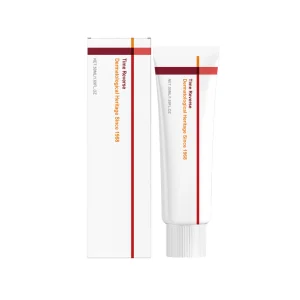
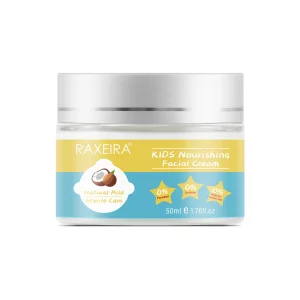
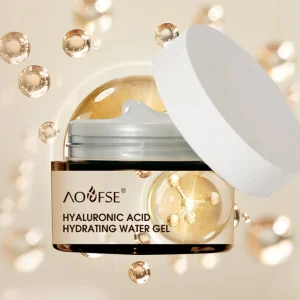
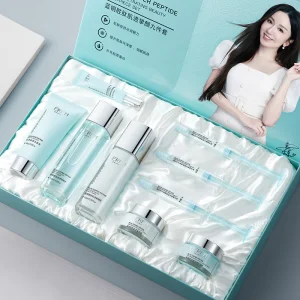
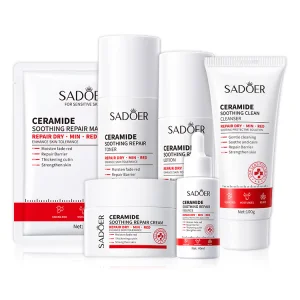
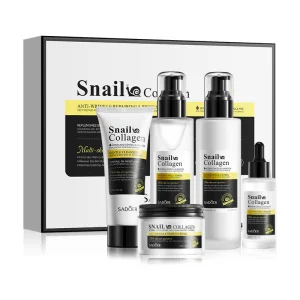
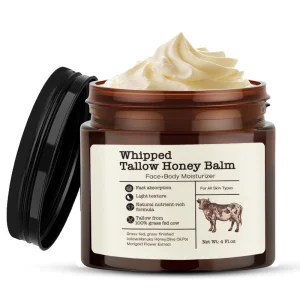
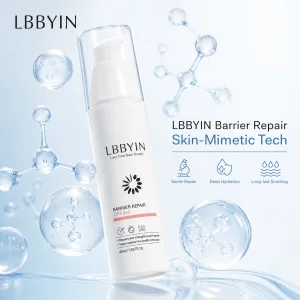
Important technical and logistical queries concerning wholesale sensitive skin product import and manufacturing for Mexico.
We closely monitor the raw ingredients used in our formulas to comply with NOM-141-SSA1/SCFI safety standards. We provide our global partners with complete formulation dossiers, heavy metal analysis reports, and allergen-free certificates, expediting the import and registration process within Mexico.
For standard stock formulas with customized label branding, our MOQ starts at 1,000 units. For fully customized formulas requiring active ingredient adaptations (e.g. customized ceramide concentrations), the MOQ is typically 3,000 to 5,000 units depending on the complexity of packaging chosen.
Yes. Every formulation undergoes accelerated stability testing under high-temperature conditions (up to 45°C) to ensure the emulsion does not separate during transit or warehousing in Mexico’s hot northern regions. We also conduct human patch testing to ensure the claims of "hypoallergenic" and "dermatologist tested" are scientifically validated.
Standard formula customization and production takes approximately 15 to 25 days once the packaging design is approved. Shipping times from Guangzhou port to major Mexican ports (such as Manzanillo or Lázaro Cárdenas) range from 20 to 30 days, resulting in an end-to-end timeline of approximately 45 to 60 days.
Partner with Guangzhou ROTT Beauty Co., Ltd. for reliable, clinical-grade OEM/ODM services. Our advanced 15,000 square meter facility and expert R&D team are ready to manufacture high-performance products tailored to your market requirements.
Send Inquiry Now ROTT Beauty