Navigating the complex landscape of high-performance melanin inhibition, global cosmetic regulations, and advanced cosmetic manufacturing pipelines.
The global whitening and skin-brightening skincare market is undergoing an unprecedented paradigm shift. Driven by advanced consumer awareness, semantic search behavior around dermatological efficacy, and rigorous international safety assessments, modern whitening skincare formulations are moving away from traditional, aggressive chemical depigmentation. Today, brands focus on physiological harmony—utilizing synergistic cocktails of non-toxic actives to inhibit melanogenesis pathways, boost cellular turnover, and optimize skin-barrier resilience.
For B2B buyers, distributors, and private label owners, sourcing from qualified manufacturers who possess advanced biological R&D capabilities, cleanroom processing environments, and strict raw material traceability is paramount. This comprehensive white paper explores the scientific mechanisms of modern brightening formulations, examines global procurement trends, and introduces the key manufacturing technologies that define the market's leading suppliers.
Explore our foundational range of premium anti-aging active formulations, professional scrub treatments, and high-efficiency cosmetic production systems.
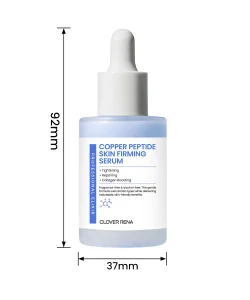
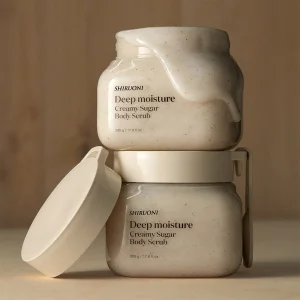
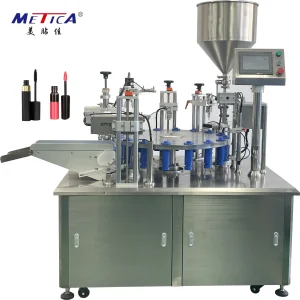
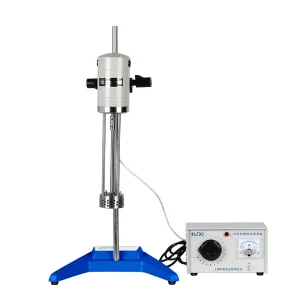

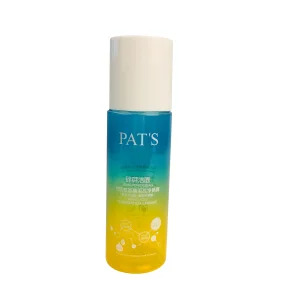
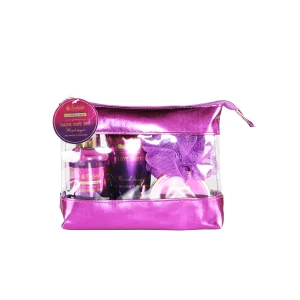
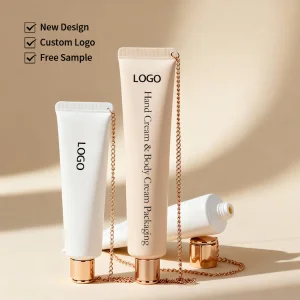
Understanding the physiological mechanism of melanogenesis control to select high-efficacy active raw materials.
Melanin synthesis is a protective biological process. UV radiation, hormonal fluctuations, inflammatory reactions, and environmental stress trigger the activation of melanocytes located at the basal layer of the epidermis. Within specialized organelles called melanosomes, the enzyme tyrosinase catalyzes the oxidation of L-tyrosine into L-DOPA, which is subsequently converted into eumelanin (brownish-black pigment) or pheomelanin (reddish-yellow pigment).
“Modern formulations aim not to kill melanocytes, but rather to safely modulate each key phase of the pigmentation pathway. This approach prevents post-inflammatory hyperpigmentation (PIH) while keeping the epidermal barrier intact.”
Top-tier suppliers deploy cosmetic formulations targeting five distinct biological steps:
Competitive and non-competitive inhibitors bind to the catalytic pocket of tyrosinase. Actives include Alpha-Arbutin, Kojic Acid, and SymWhite 377, preventing the initial enzymatic cascade.
Preventing the transport of mature melanosomes along dendrites to surrounding keratinocytes. Niacinamide (Vitamin B3) is the industry standard for safe, effective transfer inhibition.
Accelerating the epidermal renewal cycle so that cells loaded with melanin are shed. Alpha-hydroxy acids (AHAs), Beta-hydroxy acids (BHAs), and enzymes gently peel pigment out of outer skin layers.
Neutralizing free radicals created by ultraviolet radiation that otherwise stimulate pigment synthesis. Standard ingredients include Vitamin C derivatives and Glutathione.
Reducing UV-induced plasminogen activity. Tranexamic Acid (TXA) targets the vascular and inflammatory drivers of melasma and persistent age spots.
| Active Ingredient | Primary Mechanism | Common Application Dosage | Target Skin Types | Key Stability Requirements |
|---|---|---|---|---|
| Tranexamic Acid (TXA) | Plasmin/Inflammation Inhibition | 1.5% - 3.0% | Melasma, PIH-prone skin | Water-soluble, stable in pH 3.0–8.0 |
| Niacinamide (USP Grade) | Melanosome Transfer Block | 2.0% - 5.0% (clinical strength up to 10%) | All skin types, oily skin | Avoid extreme acid conditions to prevent hydrolysis |
| Alpha-Arbutin | Competitive Tyrosinase Inhibitor | 1.0% - 2.0% | Hyper-pigmented skin, age spots | Highly stable at pH 3.5–6.5; limit UV exposure during storage |
| Ethyl Ascorbic Acid (Vit C) | Free Radical Scavenger / Tyrosinase Restitution | 1.0% - 3.0% | Dull, aging, uneven tone | Excellent thermal and light stability compared to L-Ascorbic Acid |
Discover a global benchmark in advanced skincare OEM/ODM manufacturing, cosmetic processing, and packaging design.
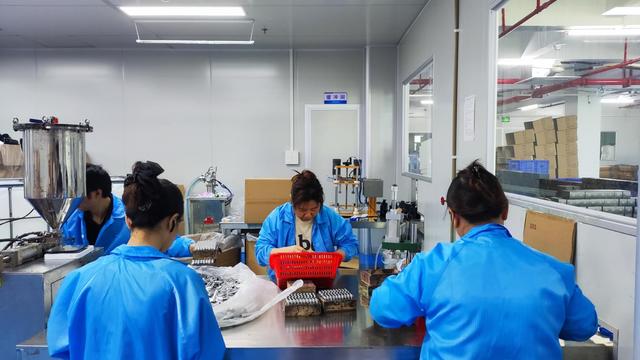
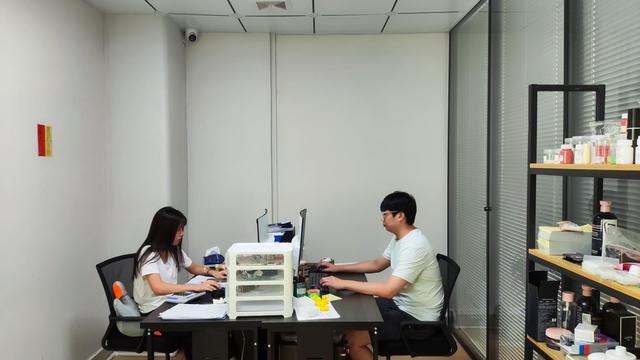
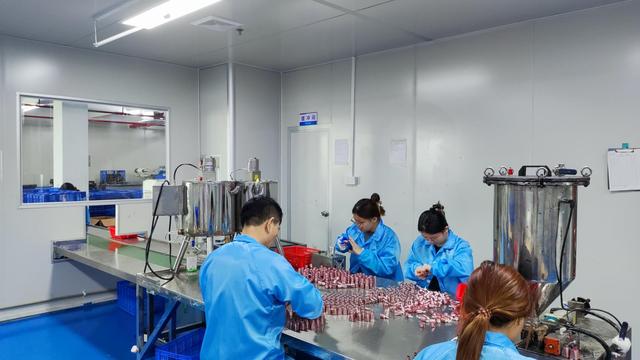
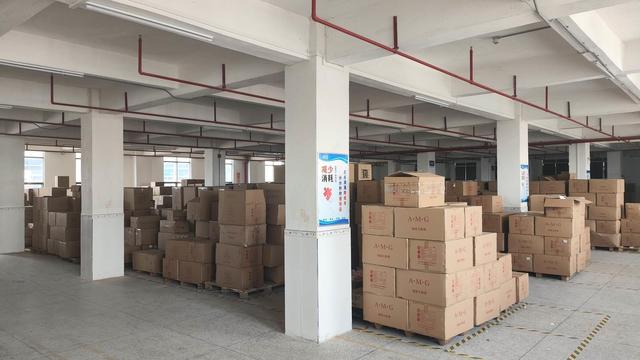
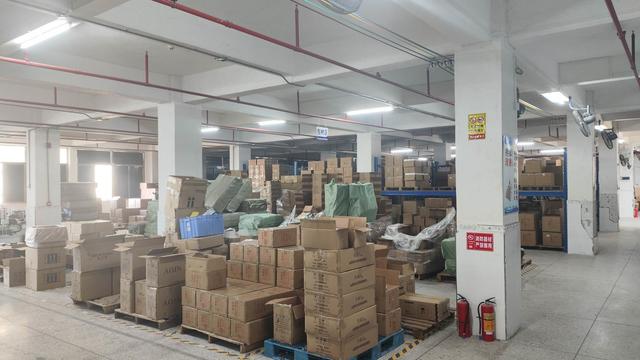
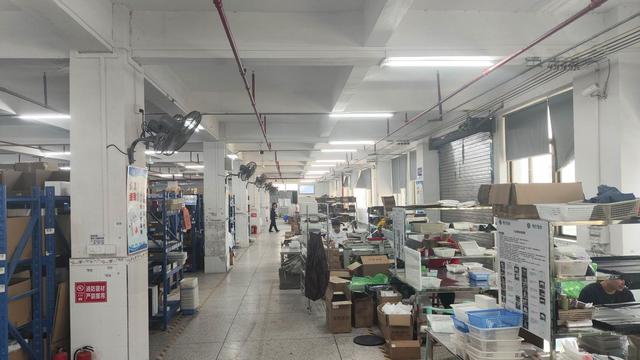
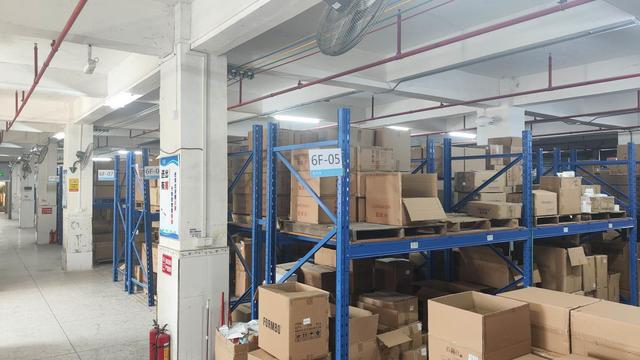
Founded in 2011, Guangzhou ROTT Beauty Co., Ltd. is a professional manufacturer specializing in skincare products, cosmetics, and private-label beauty solutions. Located in Guangzhou, Guangdong Province, China, the company operates a modern manufacturing facility covering approximately 15,000 square meters and employs more than 280 professionals across research and development, production, quality control, packaging, and international business operations.
ROTT Beauty focuses on the development and production of facial care products, personal care solutions, beauty cosmetics, botanical skincare formulations, clean beauty products, and customized cosmetic solutions. The company serves beauty brands, distributors, retailers, e-commerce sellers, and private-label businesses worldwide, offering comprehensive OEM and ODM manufacturing services tailored to diverse market requirements.
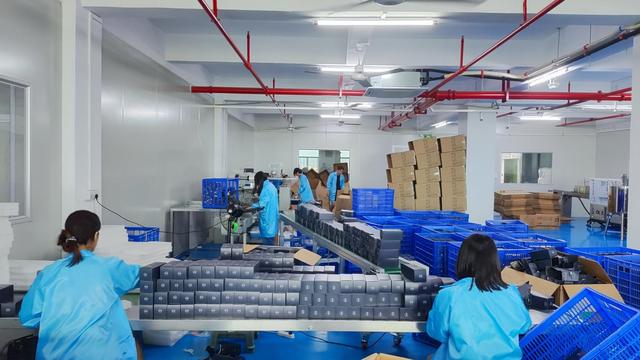
The company maintains advanced production workshops equipped with automated mixing systems, emulsification equipment, filling lines, purification facilities, and laboratory testing instruments. By implementing strict quality management procedures throughout raw material sourcing, formulation development, production, packaging, and final inspection, ROTT Beauty strives to ensure product consistency, safety, and manufacturing efficiency.
Supported by an experienced research and development team, the company continuously develops innovative skincare formulations based on market trends, consumer preferences, and evolving industry standards. Flexible customization services include formula development, ingredient selection, fragrance customization, packaging design, branding support, and complete private-label manufacturing programs.
ROTT Beauty exports products to North America, Europe, Southeast Asia, the Middle East, South America, and other international markets. Through long-term cooperation with global customers, the company has established extensive experience in serving both emerging beauty brands and established cosmetic companies.


How top whitening suppliers respond to changing regulatory paradigms, clean beauty calls, and advanced delivery system engineering.
The stability of potent brightening compounds like Vitamin C, Retinol, and Kojic Acid has historically posed a significant challenge. Exposed to oxygen, light, and fluctuating processing temperatures, these actives can degrade, discolor, or cause skin irritation. Top manufacturers mitigate this issue by deploying liposomal and microencapsulation technologies. By encasing unstable actives in bilayer lipid vesicles, suppliers ensure controlled, deep-dermal penetration, minimized oxidation, and prolonged shelf stability.
The modern consumer demands green beauty. Traditional synthetic skin brighteners are increasingly replaced with bio-derived botanical extracts that mimic standard enzymatic inhibition. Ingredients such as Licorice Root Extract (rich in Glabridin), Bearberry Extract (natural arbutin source), and fermented yeast filtrates (postbiotics) are combined with advanced delivery polymers. Sourcing clean-beauty formulations certified by ECOCERT or Cosmos standards helps brands capture market segment search traffic for "natural skin brighteners."
Sustainability extends beyond formulation chemistry. Suppliers must offer compatible, non-reactive primary packaging that supports environmental commitments. The use of Post-Consumer Recycled (PCR) plastic bottles, bamboo structural components, and high-barrier aluminum tubes preserves active ingredient integrity against UV-induced degradation while drastically lowering the brand's carbon footprint.
The mechanical production phase determines a product's emulsion stability and texture. Using equipment like the 40L High Shear Homogenizer Emulsion Mixer is critical for oil-in-water (O/W) emulsions typical of light whitening serums. Industrial homogenizers operate at high speeds, reducing droplet size to the sub-micron scale (nanoemulsion). This ensures that the cream does not separate over a 3-year shelf life, enhancing sensory feel and accelerating skin absorption.
Mitigating global market entrance risks by selecting compliant manufacturing pipelines with verified certification frameworks.
Ban on hazardous hydroquinone derivatives. Demands cosmetic product safety reports (CPSR) compiled by qualified toxicologists, safety dossiers (PIF), and CPNP portal notification.
Requires listing of cosmetic facilities, product listings, detailed safety substantiation, and strict allergen declarations. Whitening products with sun-protection claims require OTC drug status.
Brightening and whitening products are classified as "Special Cosmetics" in mainland China. Registration demands clinical human patch trials and efficacy evaluation report verifications.
When selecting a manufacturer, ensure they provide complete documentary dossiers, including Material Safety Data Sheets (MSDS), Certificate of Analysis (COA) for every batch, Microbiological Challenge Testing reports, and Heavy Metal & Toxic Substance clearance certificates. Guangzhou ROTT Beauty Co., Ltd., with its dedicated international regulatory support team, manages registration and custom clearing dossiers for brands entering markets across North America, Europe, Southeast Asia, and the Middle East.
Where the next generation of brightening formulations is headed: AI, peptides, and epigenetic regulation.
The future of skin brightening is biological customization. Rather than utilizing blanket depigmentation actives, upcoming formulations target genetic and enzymatic triggers. The integration of AI-driven formulation discovery allows manufacturers to simulate molecular docking between target peptides and the human tyrosinase enzyme prior to wet-lab prototyping. This drastically cuts down formulation lead times.
Furthermore, the industry is transitioning to epigenetic regulation—actives that block the cellular signals responsible for melanin production after UV exposure without altering cellular structures. Peptides such as Decapeptide-12 and Oligopeptide-68 are gaining popularity. Concurrently, microbiome-friendly brightening formulations that utilize lactic-acid producing bacteria are being developed. These bacteria break down surface discoloration while building a strong protective barrier against external aggressors.
Addressing the critical questions asked by procurement managers, supply chain directors, and product developers.
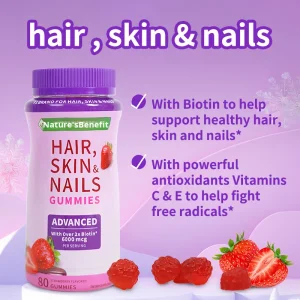
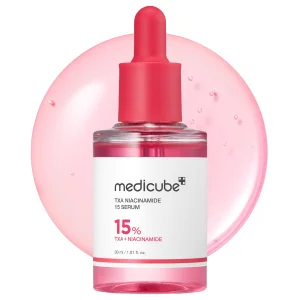
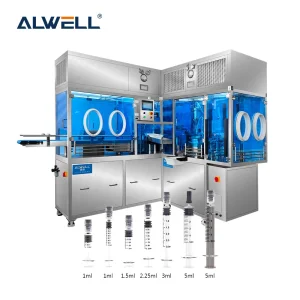
Complete your sourcing pipeline with specialized formulations, dietary supplements, eco-conscious essentials, and medical-grade machinery.
 ROTT Beauty