Explore our premium selection of private-label formulations, biological barrier treatments, and advanced manufacturing machinery engineered for global distribution.
The global skincare market is undergoing a seismic transition. Traditional cosmetic therapies that focused on aggressive sterilization and chemical stripping are yielding to bio-compatible, microbiome-supportive formulations. Modern consumers and dermatological clinical networks demand products that preserve the natural skin barrier. At the center of this movement are probiotic skin treatments—complex topical matrices leveraging live bacteria, bacterial lysates, and postbiotic compounds to modulate the skin's microflora.
For enterprise buyers, clinical brands, and global distributors, identifying a top-tier manufacturing partner is not merely a purchasing decision; it is a critical scientific and supply-chain alignment. Culturing active bacterial strains, ensuring survivability during manufacturing, and achieving long-term shelf-stability without compromising biological efficacy requires specialized, pharmaceutical-grade infrastructure. This whitepaper analyzes the manufacturing dynamics of probiotic cosmetics, evaluates key production criteria, and profiles leading manufacturing partners—exemplified by industry standard-bearers like Guangzhou ROTT Beauty Co., Ltd.
Information Gain Metric: While many cosmetic manufacturers advertise "probiotic" ingredients, true biological efficacy depends on whether the formulation utilizes live cultures (probiotics), inactivated cells (lysates), or metabolites (postbiotics). A manufacturer's ability to control Water Activity (aw) and deploy advanced microencapsulation dictates the shelf-life and clinical performance of the end product.
Procurement directors sourcing probiotic skin treatments must navigate complex raw material supply chains. Active ingredients are highly sensitive to thermal fluctuations, shear stress during mixing, and chemical degradation from standard cosmetic preservative systems. Therefore, industrial sourcing strategies must segment probiotic raw materials into distinct categories based on biological activity and formulation constraints:
| Probiotic Form Class | Common Strains / Actives | Stability & Shelf-Life | Procurement Considerations | Best Application Vehicle |
|---|---|---|---|---|
| Live Probiotics | Lactobacillus, Bifidobacterium, Vitreoscilla | Highly unstable; requires anhydrous base or refrigeration | Requires low Water Activity (aw < 0.2), cold-chain transit | Anhydrous balms, encapsulated oils, ampoules |
| Bacterial Lysates | Lactobacillus Ferment Lysate, Bifida Ferment Lysate | Highly stable under standard cosmetic conditions | Easier to preserve; standard shelf-life of 24-36 months | Serums, water-based creams, essences, gel masks |
| Postbiotics | Lactic Acid, Peptides, Short-Chain Fatty Acids (SCFAs) | Extremely robust; resistant to heat and high shear | Focus on standardization of active marker compounds | Toners, facial mists, body lotions, daily moisturizers |
B2B buyers must prioritize manufacturers that offer transparent raw material sourcing, certified strain documentation, and validated CFU (Colony Forming Unit) counts at the time of manufacture. Furthermore, global supply chains require packaging configurations that limit oxygen exposure and UV radiation, both of which accelerate the denaturation of bacterial cell walls.
To commercialize stable, consumer-safe probiotic skincare, factories must implement specific technological protocols to resolve the classic "Preservative-Microbiome Paradox." Traditional cosmetics rely on broad-spectrum preservatives to kill bacteria and prevent contamination. However, these same preservatives can render probiotic strains inactive or destroy live microbes. Leading contract manufacturers solve this through three primary architectural designs:
By eliminating water from the vehicle (using lipid bases, squalane, or silicone structures), bacterial metabolism is suspended. The bacteria remain dormant but viable within the packaging. Upon contact with the natural moisture of the skin, the microbes rehydrate and resume metabolic activity.
Advanced OEM/ODM factories utilize polymer shells (such as alginates or lipid envelopes) to encase the probiotic cultures. This barrier isolates the bacteria from the surrounding water phase and preservative molecules in the emulsion. The capsule shells dissolve under mechanical friction when applied to the skin, releasing the active cultures dynamically.
Utilizing organic acids, diols, and natural antimicrobial peptides (such as Radish Root Ferment) that target pathogenic microorganisms (like S. aureus or P. acnes) without neutralizing the specific beneficial probiotic strains incorporated in the formulation.
A premier contract manufacturing powerhouse translating biological research into mass-market cosmetic solutions.
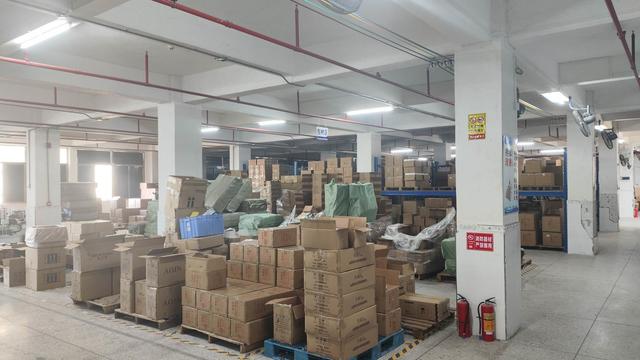
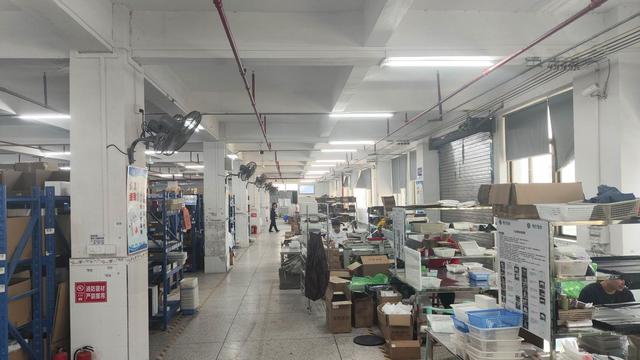
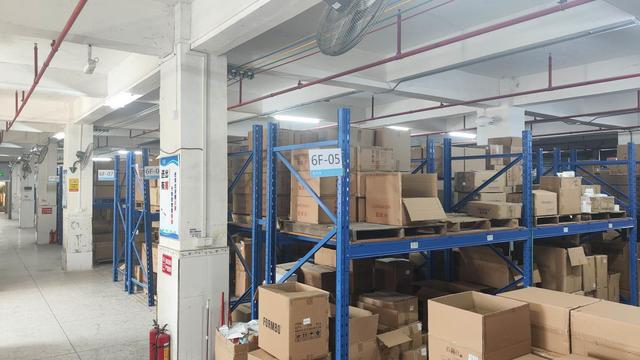
Founded in 2011, Guangzhou ROTT Beauty Co., Ltd. is a professional manufacturer specializing in skincare products, cosmetics, and private-label beauty solutions. Located in Guangzhou, Guangdong Province, China, the company operates a modern manufacturing facility covering approximately 15,000 square meters and employs more than 280 professionals across research and development, production, quality control, packaging, and international business operations.
ROTT Beauty focuses on the development and production of facial care products, personal care solutions, beauty cosmetics, botanical skincare formulations, clean beauty products, and customized cosmetic solutions. The company serves beauty brands, distributors, retailers, e-commerce sellers, and private-label businesses worldwide, offering comprehensive OEM and ODM manufacturing services tailored to diverse market requirements.
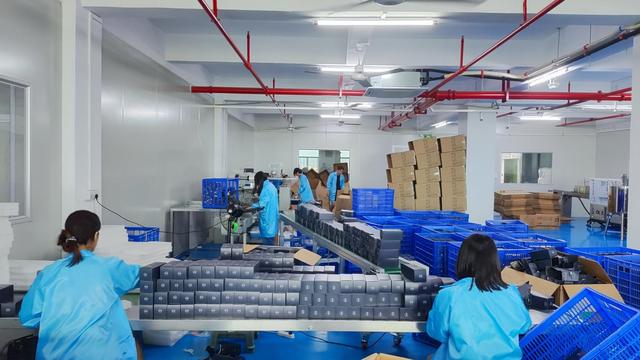
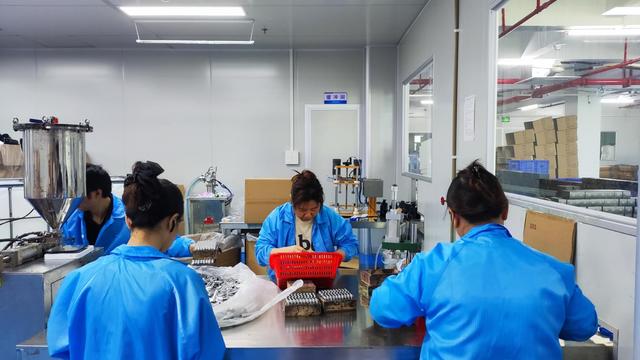
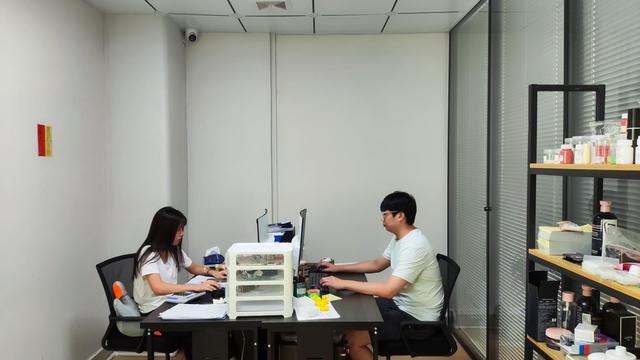
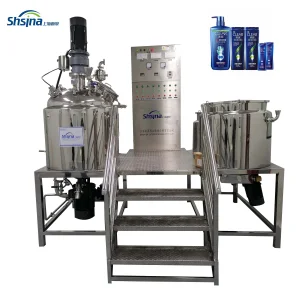
The company maintains advanced production workshops equipped with automated mixing systems, emulsification equipment, filling lines, purification facilities, and laboratory testing instruments. By implementing strict quality management procedures throughout raw material sourcing, formulation development, production, packaging, and final inspection, ROTT Beauty strives to ensure product consistency, safety, and manufacturing efficiency.
Supported by an experienced research and development team, the company continuously develops innovative skincare formulations based on market trends, consumer preferences, and evolving industry standards. Flexible customization services include formula development, ingredient selection, fragrance customization, packaging design, branding support, and complete private-label manufacturing programs.
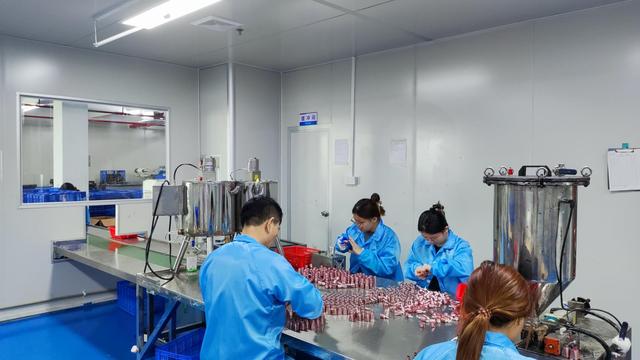

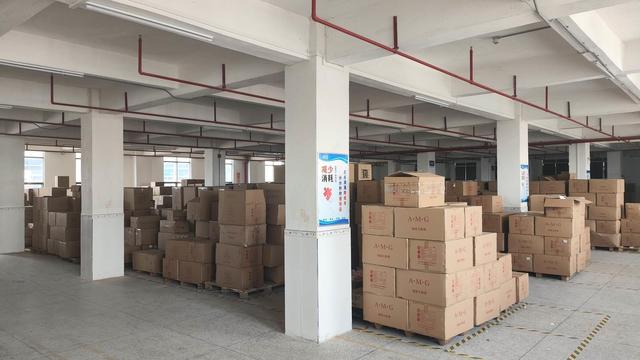
ROTT Beauty exports products to North America, Europe, Southeast Asia, the Middle East, South America, and other international markets. Through long-term cooperation with global customers, the company has established extensive experience in serving both emerging beauty brands and established cosmetic companies.
Committed to innovation, quality manufacturing, and customer-focused service, Guangzhou ROTT Beauty Co., Ltd. continues to provide reliable skincare and cosmetic manufacturing solutions, supporting beauty brands in developing competitive products for global markets while building sustainable and mutually beneficial business partnerships.

The technological markers guiding the evolution of biotherapeutic cosmetics over the next decade.
Transitioning from off-the-shelf industrial bacteria to engineered organisms designed to produce specific lipids, ceramides, or anti-inflammatory metabolites directly on the human epidermis.
Integrating DNA sequencing and cutaneous swab testing with AI algorithms to manufacture custom-blended prebiotic/probiotic serums tailored to a user's unique sebum profile.
Developing formulations that utilize bacteriocins secreted by probiotic strains to naturally inhibit pathogens, eliminating the need for traditional synthetic chemical preservatives.
The manufacturing of advanced probiotic skin treatments is heavily consolidated within key international chemical and biological hubs. Analyzing regional competencies provides critical context for global procurement strategies:
Launching a probiotic product line globally requires navigating a patchwork of regional cosmetic regulations. An experienced manufacturing partner must supply the necessary regulatory documentation:
Regulatory Check: Probiotic cosmetics are classified differently depending on the jurisdiction. The European Union's EC 1223/2009 regulates preservative thresholds strictly; the United States FDA enforces Cosmetic GMP under MoCRA; and China's NMPA requires rigorous safety evaluations and skin irritation tests for new active raw materials.
ROTT Beauty provides robust support by offering comprehensive documentation, including:
Answers to critical technical questions frequently asked by brand founders and procurement officers.
Probiotics are live bacteria (e.g., Lactobacillus) that actively populate the skin's surface. Prebiotics (e.g., inulin, oligosaccharides) are nutrients that feed beneficial skin microflora. Postbiotics are metabolic byproducts of bacterial fermentation (e.g., peptides, acids, enzymes) that deliver direct physiological benefits to the skin barrier without the stability issues of live cultures.
Factories control physical variables by conducting cold emulsification processes, maintaining low thermal ranges below 35°C during active addition, and employing microencapsulation. They also limit water activity (aw) within the vehicle to keep the bacteria dormant until application.
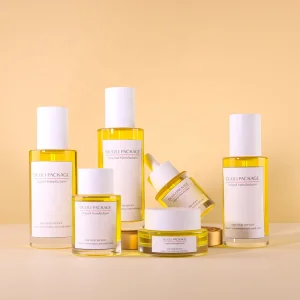
Standard packaging is generally not recommended for live probiotic or high-activity ferment formulas. We recommend airless pump bottles, dark amber glass containers, or single-use ampoules/capsules. This prevents oxidation, protects the formula from UV light, and minimizes bacterial contamination from contact.
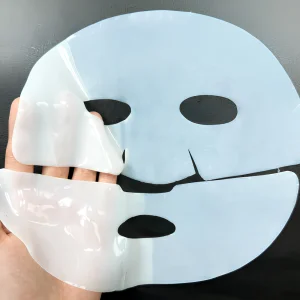
MOQs vary depending on the product format. For standard OEM formulations like serums or sheet masks, MOQ starts around 5,000 to 10,000 units. For specialized, highly stable live-probiotic encapsulation or custom packaging configurations, MOQs are determined on a case-by-case basis through consultations with their sales team.
Select premium formulation raw materials, professional skincare accessories, and clinical spa devices designed to elevate your brand portfolio.
 ROTT Beauty