The global cosmetics and skincare market is undergoing an unprecedented paradigm shift. Modern consumers are no longer satisfied with superficial branding; they demand scientific validation, environmental sustainability, and ingredient transparency. Consequently, the sourcing criteria for international cosmetics buyers, retailers, and brand owners have fundamentally shifted toward clean clinical formulations and verifiable green manufacturing. According to recent industry analyses, the global organic personal care market is projected to exceed USD 32 billion by 2030, exhibiting a compound annual growth rate (CAGR) of over 8.5%.
To successfully navigate this evolving landscape, sourcing managers must understand the core technologies driving cosmetic formulation. Rather than looking for generic botanical extracts, leading importers are targeting specific innovations that solve the core challenges of organic skincare: stability, bio-penetration, and sensory luxury without synthetic additives.
For brand developers looking to build a highly competitive product lineup, here are the top ten technological and conceptual innovations defining clean and organic beauty today:
Utilizing micro-organisms to break down molecules into smaller sizes, increasing absorption while stabilizing active vitamins, postbiotics, and enzymes naturally without parabens.
By eliminating water from formulations, these products reduce carbon footprints in logistics, require minimal preservatives, and deliver active ingredients at maximum potency.
Sourcing waste by-products from the coffee, fruit, and wood industries to extract high-potency antioxidants and natural acids, promoting a zero-waste manufacturing cycle.
Advanced formulations using Bakuchiol and Rambutan peel extracts. These botanicals mimic the anti-aging benefits of traditional retinol without causing irritation or sun sensitivity.
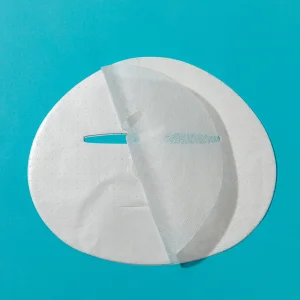
Using natural cellulose, Tencel, and algae-based hydrogels instead of microplastics to ensure active serum delivery directly to skin cells while decomposing entirely after use.
Protecting vulnerable plant vitamins (like Vitamin C and organic fruit enzymes) inside plant-derived lipid shells to prevent oxidation during storage and ensure targeted release on skin contact.
Integrating botanical adaptogens such as Holy Basil, Reishi Mushroom, and Ashwagandha to strengthen skin resilience against hormonal changes, modern blue light, and urban pollution.
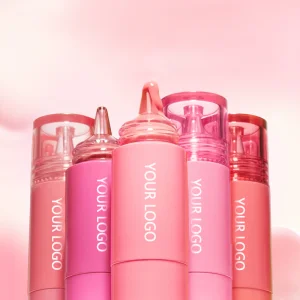
Formulating color cosmetics (liquid blush, tinted sunscreens) with organic emollients, natural mineral SPFs, and nourishing base oils, offering dual skin-repairing functions.
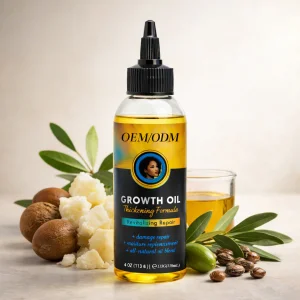
Expanding the skin wellness philosophy to hair care with organic botanical oils and natural zinc compounds designed to balance scalp lipids, reducing hair fall naturally.
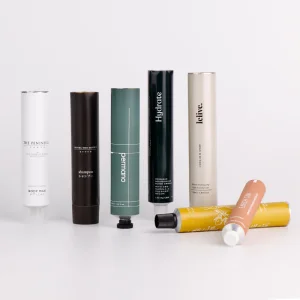
Moving away from single-use virgin plastics. Brand manufacturers are utilizing collapsible high-purity aluminum tubes, compostable paper cartons, and infinitely reusable glass setups to implement a comprehensive circular product lifecycle.
Founded in 2011, Guangzhou ROTT Beauty Co., Ltd. is a professional manufacturer specializing in skincare products, cosmetics, and private-label beauty solutions. Located in Guangzhou, Guangdong Province, China, the company operates a modern manufacturing facility covering approximately 15,000 square meters and employs more than 280 professionals across research and development, production, quality control, packaging, and international business operations.
ROTT Beauty focuses on the development and production of facial care products, personal care solutions, beauty cosmetics, botanical skincare formulations, clean beauty products, and customized cosmetic solutions. The company serves beauty brands, distributors, retailers, e-commerce sellers, and private-label businesses worldwide, offering comprehensive OEM and ODM manufacturing services tailored to diverse market requirements.
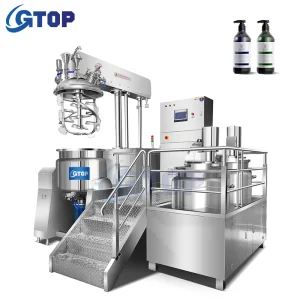
The company maintains advanced production workshops equipped with automated mixing systems, emulsification equipment, filling lines, purification facilities, and laboratory testing instruments. By implementing strict quality management procedures throughout raw material sourcing, formulation development, production, packaging, and final inspection, ROTT Beauty strives to ensure product consistency, safety, and manufacturing efficiency.
Supported by an experienced research and development team, the company continuously develops innovative skincare formulations based on market trends, consumer preferences, and evolving industry standards. Flexible customization services include formula development, ingredient selection, fragrance customization, packaging design, branding support, and complete private-label manufacturing programs.
ROTT Beauty exports products to North America, Europe, Southeast Asia, the Middle East, South America, and other international markets. Through long-term cooperation with global customers, the company has established extensive experience in serving both emerging beauty brands and established cosmetic companies. Committed to innovation, quality manufacturing, and customer-focused service, Guangzhou ROTT Beauty Co., Ltd. continues to provide reliable skincare and cosmetic manufacturing solutions, supporting beauty brands in developing competitive products for global markets while building sustainable and mutually beneficial business partnerships.
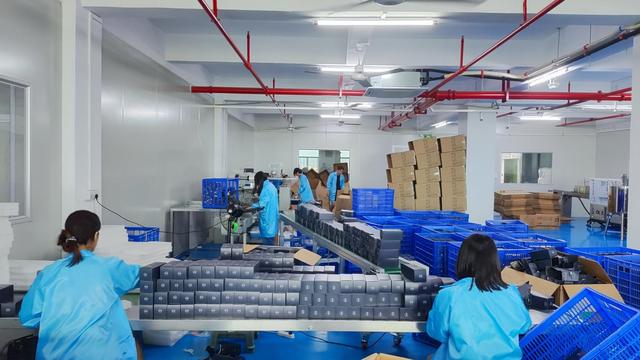
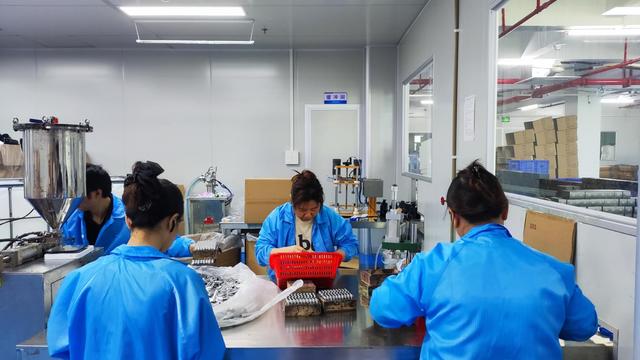
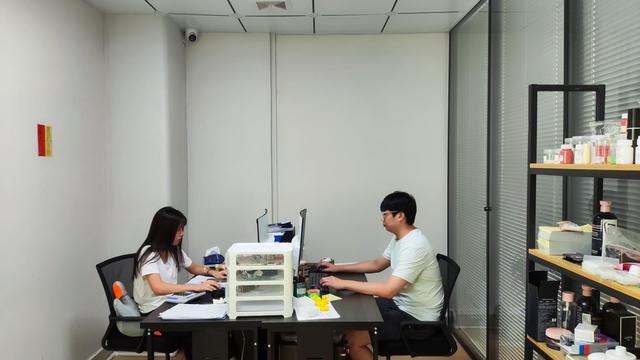
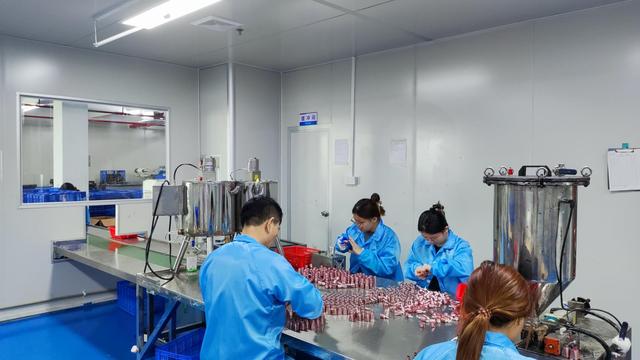

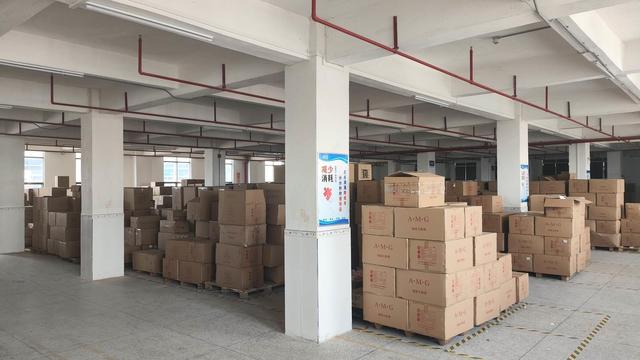
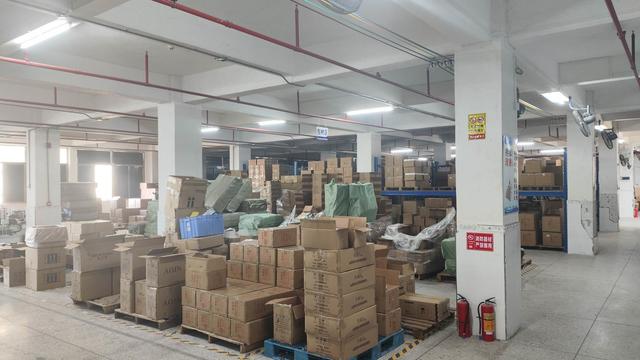
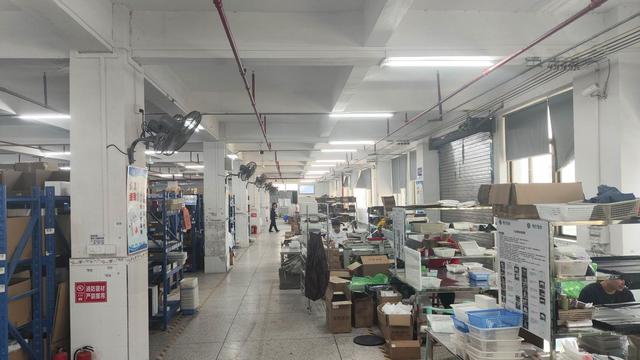
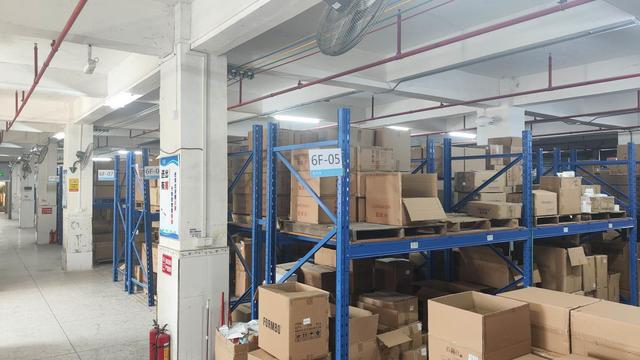

In the global beauty and cosmetics industry, China has progressed past the stage of simple low-cost manual assembly. The Pearl River Delta, specifically the Guangzhou cosmetics cluster, has transitioned to Smart Factory 4.0 standards. ROTT Beauty leverages this highly integrated industrial landscape to provide unparalleled stability and adaptability in its supply chain operations.
Key pillars of this advanced manufacturing model include:
Clean and organic cosmetic requirements vary widely according to local regulations, climate profiles, and regional consumer expectations. Brands must customize their product formulations with their partner manufacturer to match localized compliance guidelines:
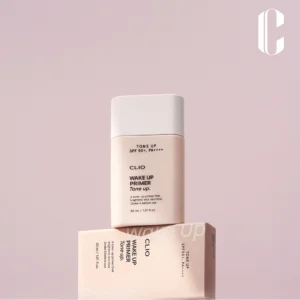
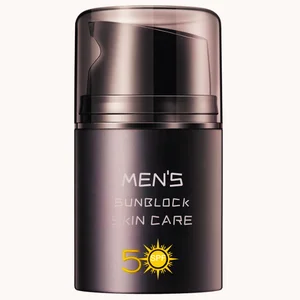
Under the Modernization of Cosmetics Regulation Act (MoCRA) in the United States, importers must maintain fully transparent ingredient profiles, safety substantiation records, and manufacturing facility registrations. Popular items focus on complex hybrids, such as private label sunscreens featuring organic, skin-repairing compounds and lightweight organic makeup primers.
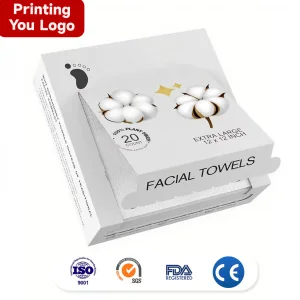
The European market demands strict compliance with REACH and Cosmos-approved ingredient indexes. Standard plastics are heavily discouraged. Procurement teams in the EU look for luxury, eco-friendly, biodegradable cosmetic packaging and water-saving dry skincare sheets (like 100% natural Tencel sheet masks) to align with zero-waste mandates.
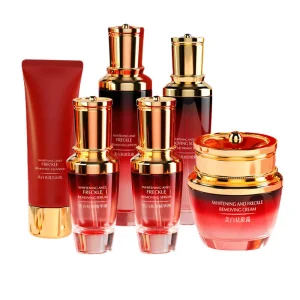
For warm and humid climates, traditional organic botanical formulations can feel heavy and cause breakouts. ROTT Beauty's formulation laboratories customize clean liquid blushes and skin brightening kits to utilize quick-absorbing, sebum-resistant natural lipids that do not clog pores, ensuring clean beauty options remain highly functional across tropical markets.
Professional answers to complex manufacturing, logistics, and compliance questions.
 ROTT Beauty