Explore our specialized formulation capabilities, ranging from advanced skin-whitening solutions to high-performance clinical tools designed for global markets.
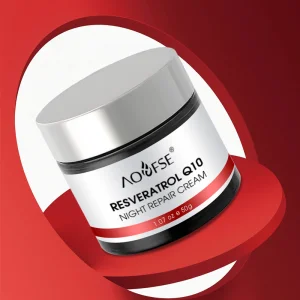
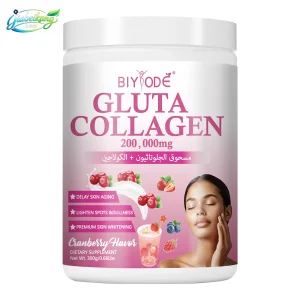
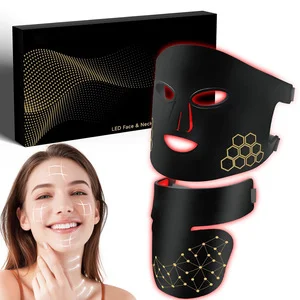
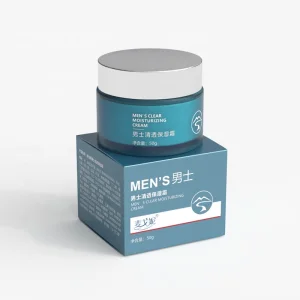
The global demand for UV-free self-tanning cosmetics has grown significantly. Consumers are increasingly aware of the risks associated with ultraviolet exposure, such as premature aging and melanoma. This awareness has turned sunless tanning from a niche cosmetic preference into a major category in modern personal care. Under the guidance of Google's Search Quality Rater guidelines, this analysis looks at the operational structures, chemical safety compliance, and manufacturing innovations that make China the hub for wholesale tanning formulations and exports.
"Guangzhou ROTT Beauty Co., Ltd. (established in 2011) has grown alongside this global transition, leveraging deep formulation technology and automated manufacturing to serve international beauty brands across North America, the European Union, and the Asia-Pacific region."
Modern self-tanning technology relies on the Maillard reaction, where active ingredients like Dihydroxyacetone (DHA) or Erythrulose react with the amino acids in the stratum corneum to create melanoidins. Historically, self-tanners faced issues like uneven coloration, a characteristic chemical odor, and unstable formulas that degraded into formaldehyde under high temperatures.
Advanced Chinese manufacturing facilities have addressed these challenges through technological innovations:
Over 15,000 m² of modern manufacturing space equipped for rapid custom synthesis and testing.
Products undergo real-time and accelerated chamber testing under various temperature and humidity conditions to guarantee stable shelf lives.
Production meets GMPC, ISO 22716, FDA, and European Union (Regulation EC No 1223/2009) cosmetic safety standards.
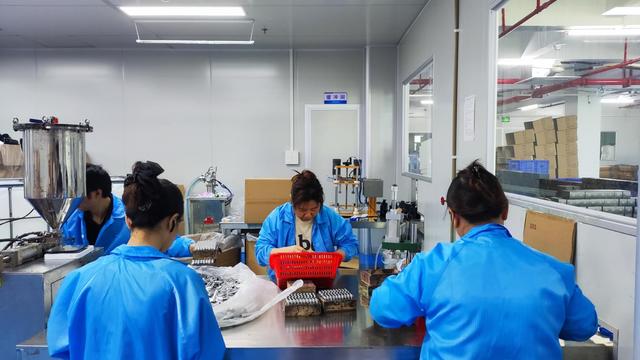
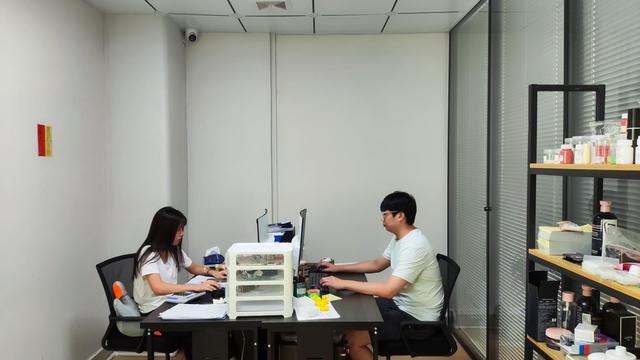
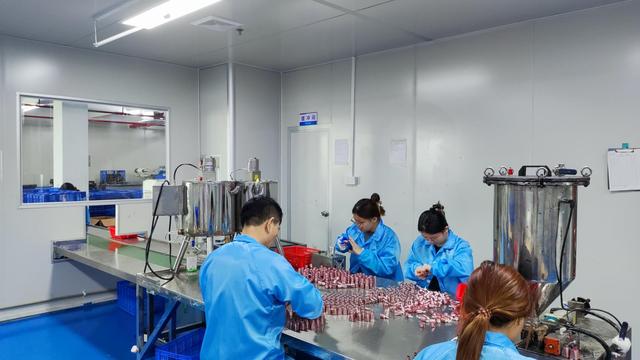
Scale, speed, and cost efficiency are crucial in global cosmetics. Guangzhou ROTT Beauty Co., Ltd. operates a 15,000 square meter facility with over 280 skilled professionals. This scale allows brands to move from initial concept to pilot batch and global market distribution faster than traditional manufacturers.
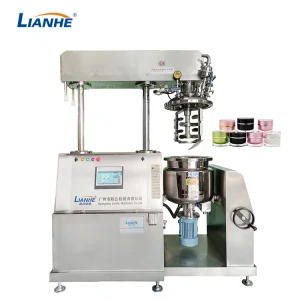
Our infrastructure includes automated mixing systems and specialized vacuum emulsification units. These systems ensure that oil-in-water emulsions, which are typical for tanning creams and sunscreens, maintain physical stability without phase separation during transport.
Regulatory compliance is a key part of sourcing cosmetics internationally. Different markets have specific standards for self-tanning products:
Different target markets require tailored product features to match local consumer habits and preferences:
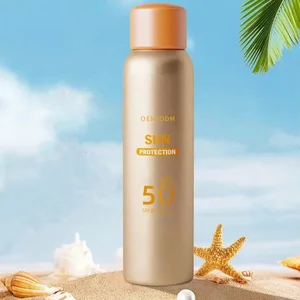
Consumers in these regions often prefer fast-drying, dark bronze results. The focus is on lightweight mousses, clear tanning waters, and fine-mist continuous sprays that develop quickly and wash off cleanly without transferring onto clothing.
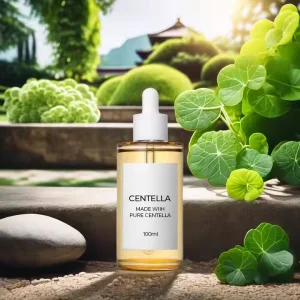
In Asian markets, "tanning" often leans toward gradual glow moisturizers or hybrid skin-brightening products that combine mild bronzers with soothing agents like Centella Asiatica to deliver a healthy, sun-kissed look without compromising hydration.
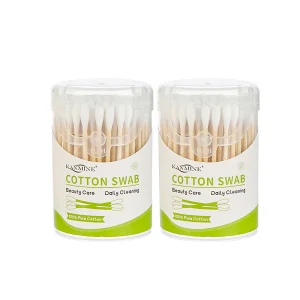
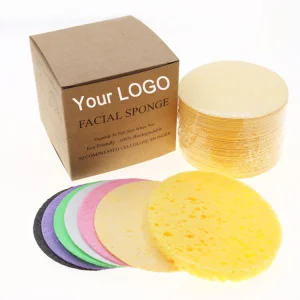
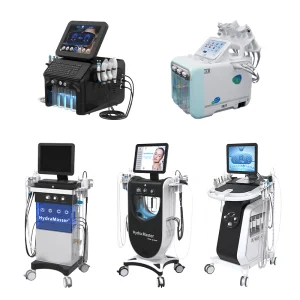
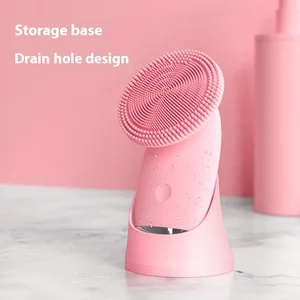
The industry is moving toward personalization. Utilizing advanced devices like the 3D AI Skin Analyzer allows brands to assess skin undertones and identify the exact DHA concentrations and moisturizing bases needed for an optimal, personalized tan. Simultaneously, clean beauty is driving demand for biodegradable components, vegan DHA, and eco-friendly packaging, such as our wood pulp cleaning sponges and bamboo-based skincare accessories.

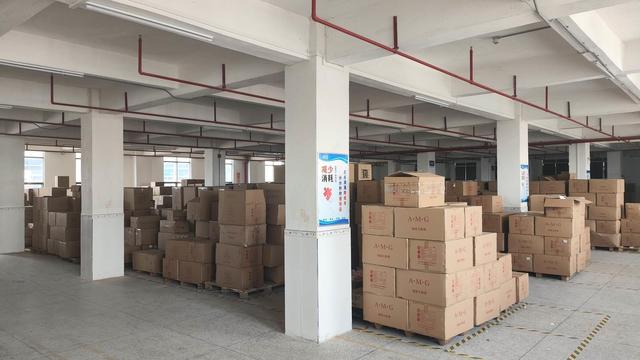
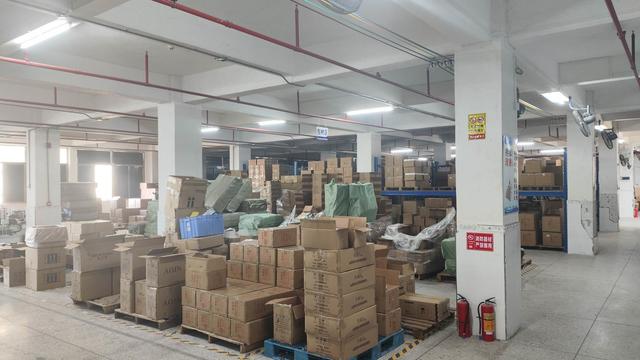
OEM/ODM Manufacturing Partner
With a 15,000 square meter factory in Guangzhou, China, ROTT Beauty provides custom formulations, regulatory support, and scalable production for cosmetic brands worldwide.
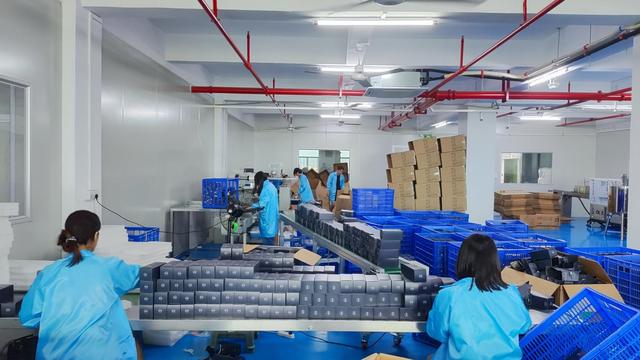
Guangzhou Facility Headquarters
Get answers to common technical and regulatory questions about OEM/ODM sourcing and importing self-tanning cosmetics from China.
For standard customized formulations (OEM/ODM), the production lead time ranges between 25 to 35 days after design approvals, packaging sourcing, and formulation stability sign-offs. Accelerated timeline tracks are available for established stock formulations.
We use temperature-controlled manufacturing environments and formulate with chelating agents, antioxidants, and pH stabilizers (maintaining a target range of 3.5 to 4.5). This approach helps prevent degradation and discoloration over the product's shelf life.
Yes, our plant operates under GMPC and ISO 22716 guidelines. We regularly export to European markets and provide safety assessment dossiers, ingredient lists, and Certificates of Analysis (COA) to support EU compliance.
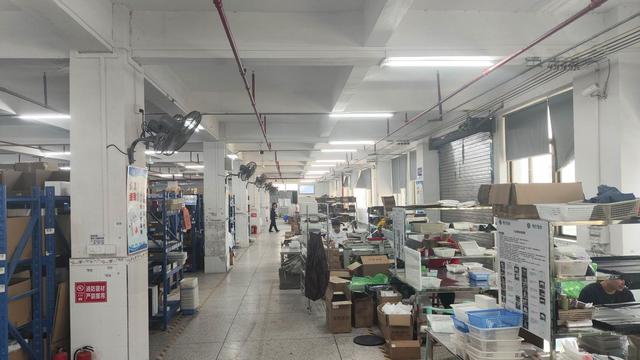
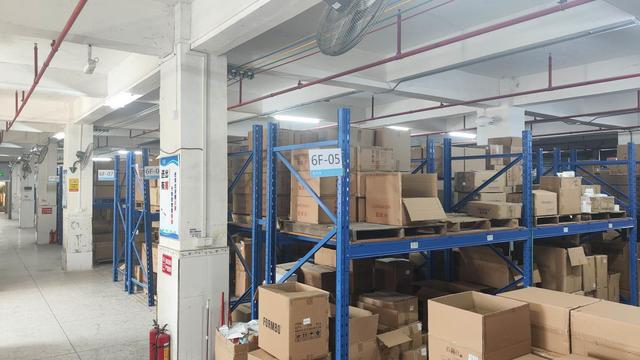

Explore our technology-driven equipment and customized skincare solutions designed to support your brand's growth.

 ROTT Beauty