China’s skincare industry serves customers across markets, yet one formula rarely travels unchanged. The question is simple: why do skincare regulations vary by country? The answer involves different safety philosophies, ingredient rules, labeling systems, and product classifications.
In China, a skincare product may require specific registration or filing before sale. Other markets may focus more heavily on ingredient restrictions, responsible-person duties, product information files, or post-market reporting. A moisturizer can be treated as a cosmetic in one country, but as a therapeutic product elsewhere. Small details matter, including sunscreen claims, acne wording, fragrance allergens, and packaging language.
Dr. Linda Katz, former director of the U.S. FDA’s Office of Cosmetics and Colors, stated, “Cosmetics are not subject to FDA approval before they go on the market.” Her observation highlights a common misunderstanding. Market access does not always mean pre-approval. It can still require strong safety evidence and careful compliance.
Experienced China skincare suppliers understand this gap. They review ingredient names, concentrations, claims, certificates, stability data, and translated labels before production. A factory visit may reveal excellent batch records, but that alone cannot guarantee overseas acceptance. This is where assumptions become risky.
Regulations are not perfectly harmonized. They can also change. A supplier that succeeds in Europe may need a different dossier for the United States, Australia, or Southeast Asia. The process feels technical. Sometimes, it is frustrating.
Still, country-specific review protects consumers and strengthens responsible brands. The better question is not whether one market is stricter. It is whether the supplier can prove safety, traceability, and truthful communication in every destination market.
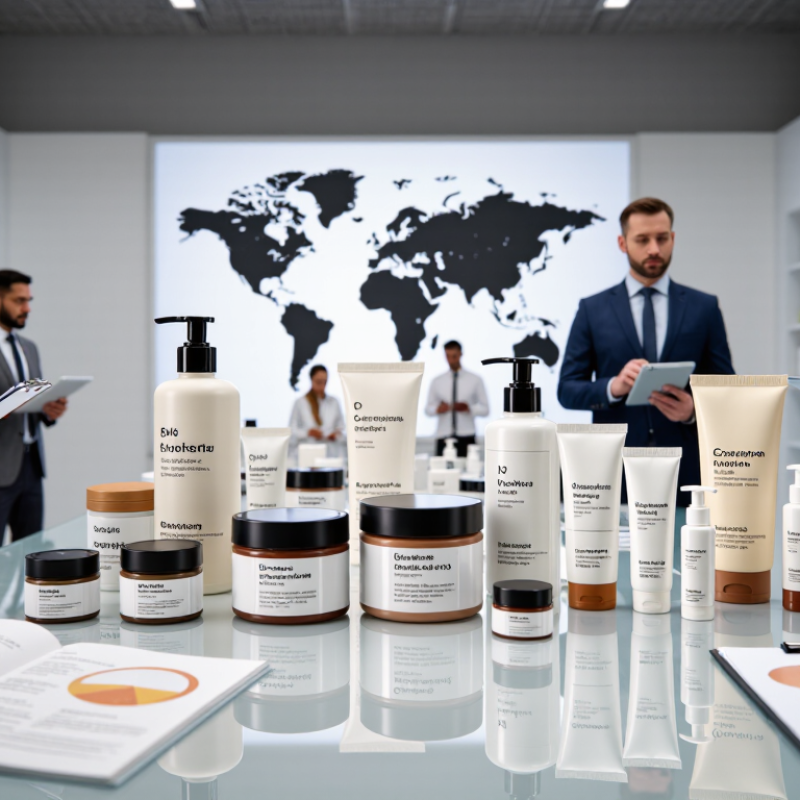
What Defines a Top Skincare Supplier in China
A top skincare supplier in China offers more than low production costs. It combines formulation experience, stable manufacturing, and transparent quality controls. According to McKinsey’s 2023 beauty report, the global beauty market may reach about 590 billion dollars by 2028. This growth increases demand for reliable private-label and contract manufacturing partners.
A serious supplier should provide a visible development process. This may include ingredient screening, sample records, stability testing, microbiological checks, and batch traceability. ISO 22716-based production practices can support cleaner documentation and safer factory routines. During a factory visit, buyers should inspect mixing tanks, filling lines, storage temperatures, and retained samples. These details often reveal more than a polished website. No supplier is perfect. However, weak records usually create larger problems later. A top partner also explains formula limits clearly, rather than promising every result.
Tips: Ask for recent testing records, production photographs, audit evidence, and a sample batch history. Confirm who owns the formula and who controls specification changes. Compare communication speed, not only unit prices. A low quote can hide higher testing, packaging, or correction costs.
Data from Grand View Research places the global skincare market at over 150 billion dollars in recent estimates. That scale rewards suppliers with repeatable systems, not temporary shortcuts. Experience matters when a cream changes texture after shipping, or a serum separates during heat testing. The best supplier responds with evidence, corrective action, and a realistic timeline. Still, buyers should verify every claim independently. Confidence without verification can become an expensive mistake.
China Top Skincare Suppliers: Why Regulations Vary by Country?
China regulates skincare products through a system managed mainly by the National Medical Products Administration. Manufacturers must follow cosmetic safety, quality, and production requirements. General cosmetics usually require filing, while special cosmetics need registration before market entry. Sunscreen, hair dye, hair perm, and certain whitening products often fall into the special category.
Manufacturers must prepare product formulas, safety assessments, testing records, and Chinese labels. Their facilities should follow cosmetic good manufacturing practices, with controlled water systems, clean production areas, batch records, and traceable raw materials. Domestic manufacturers need an authorized responsible person, while overseas suppliers normally work with a responsible company in China. This party handles filing, communication, and post-market responsibilities.
Claims require evidence. A supplier should support statements such as “soothing,” “brightening,” or “improves skin moisture” with suitable testing. Children’s products receive stricter attention, including formula safety and label wording. Market inspections may check samples, documents, packaging, and production conditions. Keep records ready.
In practice, compliance is not only a registration task. A factory may pass an audit but still struggle with changing formulas, incomplete supplier files, or inconsistent batch testing. That gap deserves honest review. Product safety depends on daily controls, not attractive certificates alone. Requirements also differ by destination country, so suppliers should confirm local rules before exporting. A careful manufacturer checks every ingredient, claim, label translation, and production change. Mistakes can happen. Reliable systems reduce them.
China Top Skincare Suppliers: Why Regulations Vary by Country?
Skincare rules differ across international markets because each country weighs safety, evidence, culture, and consumer protection differently. A product accepted in one market may need new documents, tests, or wording elsewhere. For Chinese skincare suppliers, this creates a practical challenge: compliance must be planned for the destination country, not assumed from domestic approval. Small details matter. Ingredient names, concentration limits, product categories, and label languages can all change.
An experienced supplier usually checks importer responsibilities, safety assessments, manufacturing records, stability data, and claims evidence before production. Regulators may classify the same cream as a cosmetic, a therapeutic product, or something between them. That classification can affect registration, advertising, packaging, and post-market reporting. A claim such as “repairs skin” may attract more scrutiny than “helps moisturize.” Wording is not decoration.
Reliable cooperation also requires traceable batches, clear change-control procedures, and prompt responses to complaints. Yet no checklist is perfect. Rules evolve, translations can be misunderstood, and suppliers may focus too heavily on documents while overlooking real consumer use. A sample label review often reveals issues earlier than a final audit. That lesson is easy to miss. Local regulatory advice remains valuable, especially when a formula, claim, or sales channel changes.
China Top Skincare Suppliers: Why Regulations Vary by Country?
How Suppliers Meet Import, Safety, and Labeling Requirements
Skincare suppliers in China often prepare products for several markets at once. Each destination may apply different import, safety, and labeling rules. A formula accepted in one country may need changes elsewhere. Product classification can also differ. Creams, cleansers, and sunscreens may follow separate compliance paths.
Experienced suppliers build a technical file before shipment. It may include ingredient specifications, safety assessments, stability results, microbial testing, and certificates of analysis. Manufacturing records should support consistent quality. Suppliers also check packaging materials, batch codes, shelf life, and traceability. Small details matter. Customs documents must match the actual goods.
Labeling requires careful local review. Required information may include the ingredient list, net content, warnings, usage directions, and importer details. Some markets require specific languages or a local responsible party. Cosmetic claims need evidence, especially for sensitive or performance-related statements. A supplier should review claims with qualified regulatory professionals. Guesswork is risky.
No supplier gets every market right immediately. A checklist can still miss a local interpretation. That is why responsible teams compare regulations before production, not after loading. They should retain samples and test records for future questions. Requirements also change over time. Regular review is necessary, even when the formula stays the same.
| Destination Market | Primary Regulatory Framework | Market-Entry Notification or Registration | Safety and Product-Dossier Requirements | Labeling Requirements | Import and Supplier Compliance Actions | Important Classification Difference |
|---|---|---|---|---|---|---|
| United States | Federal Food, Drug, and Cosmetic Act; Fair Packaging and Labeling Act; Modernization of Cosmetics Regulation Act (MoCRA). | Cosmetic facility registration and cosmetic product listing are generally required under MoCRA, subject to statutory exemptions. Registration is generally renewed every two years; product listings are generally updated annually. | The responsible person must maintain adequate safety substantiation records. Serious adverse events must generally be reported to the U.S. Food and Drug Administration within 15 business days. Most cosmetics do not require pre-market approval, except that color additives must comply with applicable requirements. | Product identity, net quantity, name and place of business, and an ingredient declaration are generally required. Ingredients are normally listed in descending order of predominance, subject to applicable exceptions. Required information must be presented in English. | Confirm the importer of record, customs entry data, facility registration status, product listing status, ingredient compliance, adverse-event procedures, and substantiation for claims. Imported cosmetics must comply with the same substantive requirements as domestic products. | A product marketed to treat or prevent disease or affect the structure or function of the body may be regulated as a drug rather than only as a cosmetic. |
| European Union / EEA | Regulation (EC) No 1223/2009 on cosmetic products. | A designated EU Responsible Person is required. The product must generally be notified through the Cosmetic Products Notification Portal before being placed on the EU market. | A Product Information File must be maintained, including a Cosmetic Product Safety Report. Safety assessment must be completed by a suitably qualified safety assessor. Manufacturing is expected to follow good manufacturing practice; EN ISO 22716 is the commonly referenced standard. | Common requirements include the Responsible Person’s address, nominal content, date of minimum durability or period-after-opening, precautions, batch or reference number, product function where not obvious, and an ingredient list using recognized ingredient names. Certain information must be provided in the official language or languages required by the relevant Member State. | The supplier should provide a complete formula, raw-material specifications, allergen information, stability data, microbiological data, packaging compatibility evidence, manufacturing records, and claim-supporting documentation to the Responsible Person. | Products containing restricted substances, prohibited substances, or certain colorants, preservatives, and UV filters must meet the applicable annex restrictions. Claims must comply with the EU common criteria for cosmetic claims. |
| United Kingdom | UK Cosmetics Regulation, based on the retained version of the EU Cosmetics Regulation and applicable UK amendments. | A UK Responsible Person is required for products placed on the Great Britain market. Cosmetic products must generally be notified through the Submit Cosmetic Product Notifications service before sale in Great Britain. Northern Ireland may follow EU notification arrangements under the applicable rules. | A Product Information File and Cosmetic Product Safety Report are required. The safety assessment must be conducted by an appropriately qualified assessor, and good manufacturing practice is expected. | Labeling generally includes the UK Responsible Person’s details, nominal content, durability information, precautions, batch number, product function where needed, and an ingredient list. Required label information must be presented in English for the Great Britain market. | Confirm whether the shipment is for Great Britain or Northern Ireland, appoint the correct Responsible Person, prepare the required notification, and retain evidence for ingredients, packaging, safety, and product claims. | UK and EU requirements are similar but are not automatically interchangeable. Separate Responsible Person and notification arrangements may be needed for Great Britain and the EU/EEA. |
| Canada | Food and Drugs Act; Cosmetic Regulations; Cosmetic Ingredient Hotlist. | A Cosmetic Notification Form must generally be submitted to Health Canada within 10 days after the product is first sold in Canada. Notification is not the same as pre-market approval. | Ingredients must comply with the Cosmetic Ingredient Hotlist and other applicable provisions. Manufacturers and importers must maintain information demonstrating that the product is safe for use under normal or reasonably foreseeable conditions. | Ingredient disclosure using INCI names is generally required. Mandatory label information, including product identity, net quantity, dealer information, and directions or warnings where applicable, generally requires English and French presentation. | Verify the Canadian importer or responsible party, submit the Cosmetic Notification Form, check Hotlist status, prepare bilingual artwork, and retain formula, safety, and claim documentation. | Products making therapeutic or certain health-related claims may be regulated as natural health products or drugs instead of cosmetics. |
| Australia | Industrial Chemicals Act 2019; Australian Industrial Chemicals Introduction Scheme (AICIS); Australian Consumer Law; therapeutic-goods legislation where applicable. | Importers or manufacturers introducing industrial chemicals for commercial purposes may need AICIS registration, categorization, records, and annual declarations. The exact obligation depends on the ingredients, activity, introduction category, and importer structure. | Cosmetic ingredients and activities must be assessed under the applicable industrial-chemical requirements. Products with therapeutic claims or sunscreen functions may fall under therapeutic-goods controls and may require a different regulatory pathway. | Labels must not be false or misleading and should provide relevant ingredient and safety information. Ingredient disclosure and consumer information must be checked against the applicable product category and Australian consumer-law requirements. | Identify the Australian importer, determine whether AICIS registration applies, classify claims before artwork approval, keep ingredient and safety records, and verify packaging and consumer information. | Classification is strongly influenced by intended use and claims. A moisturizer may be treated differently from a product represented as treating a disease or providing a therapeutic sunscreen effect. |
| Japan | Pharmaceuticals and Medical Devices Act (PMD Act). | Cosmetics generally require an appropriate Japanese marketing authorization or notification structure through the responsible domestic entity, depending on the activity and product arrangement. Imported products require a responsible Japanese importer or marketing authorization holder where applicable. | Ingredients must comply with Japanese cosmetic standards, prohibited or restricted substance rules, and applicable positive-list requirements. Manufacturing, quality control, and post-market safety procedures must be managed under the applicable Japanese framework. | Required information generally includes product name, responsible business information, net content, batch or lot information, expiration information where required, and a full ingredient list using Japanese-notified or accepted ingredient names. | Confirm the Japanese responsible entity, review all ingredients against Japanese standards, prepare Japanese-language packaging, and ensure import documents and quality records are available. | Claims that imply efficacy beyond the cosmetic scope may cause the product to be treated as a quasi-drug or another regulated category. |
Choosing a Chinese skincare supplier requires more than checking a factory certificate. Regulations change by destination, product type, and marketing claim. The EU requires a responsible person, safety assessment, product information file, and CPNP notification. The United States uses MoCRA rules, including facility registration, product listing, and serious adverse event reporting. China applies NMPA requirements, which may differ for ordinary and special cosmetics.
Market pressure makes weak checks expensive. McKinsey’s State of Beauty report projects the global beauty market could reach about 580 billion dollars by 2027. More products mean more compliance risks. Buyers should verify the manufacturer’s business license, production scope, ISO 22716 procedures, ingredient traceability, batch records, and stability testing. Ask for recent audit evidence, not recycled certificates. Check whether the certificate covers the actual factory address. This detail is often missed.
Tips: Request a complete ingredient list with concentration ranges. Confirm banned or restricted substances in every target market. Review microbiological limits, packaging compatibility, and shelf-life data. Ask who owns the formula and testing records. Arrange a video audit or independent inspection before payment. A certificate alone proves little. Also, avoid trusting polished samples too quickly; pilot batches can expose filling errors, leaking pumps, or inconsistent texture. Requirements can change, and suppliers may misunderstand them. Buyers should use qualified local regulatory advisers when claims or markets are complex.
Each market uses different safety, import, labeling, and product classification rules. One formula may need changes elsewhere.
Prepare ingredient specifications, safety assessments, stability results, microbial tests, and certificates of analysis. Keep batch records traceable.
Confirm the certificate matches the real factory address, production scope, and current operations. Old paperwork proves little.
Labels may need ingredients, net content, warnings, usage directions, shelf life, batch codes, and importer details.
Claims like “soothing” or “brightening” need suitable testing and evidence. Attractive wording is not proof.
Look for controlled water, clean production areas, raw-material traceability, batch records, and consistent testing. Daily controls matter.
Yes. Pilot batches can reveal leaking pumps, filling errors, unstable texture, or packaging problems.
They need closer review of formula safety, product classification, warnings, and label wording. Small details matter.
A responsible company in the destination market may manage filings, communication, and post-market duties.
No. Regulations change, and local interpretations vary. Use qualified advisers when claims or markets are complex.
A top skincare supplier in China combines reliable manufacturing, consistent quality control, responsible ingredient sourcing, and the ability to support product development from formulation to packaging. Chinese skincare products and manufacturers are governed by national requirements covering product safety, ingredients, production practices, testing, registration, and labeling. Suppliers must maintain accurate documentation and demonstrate that their facilities and processes meet applicable standards.
The key question for international buyers is: why do skincare regulations vary by country? Each market establishes its own rules according to local safety priorities, ingredient policies, product classifications, language requirements, and consumer protection systems. A qualified supplier should understand these differences and help buyers prepare import documents, safety assessments, compliant labels, test reports, and product specifications for the target market. Before choosing a supplier, buyers should verify certifications, factory qualifications, quality procedures, communication capabilities, production capacity, sample consistency, and experience with international compliance. Careful evaluation reduces delays and supports a safer, more reliable skincare supply chain.
