How to Start a Skincare Brand Successfully in 2026?

Time:2026-06-22 Author:Charlotte
0%

Starting a skincare brand in 2026 requires strategic planning and informed decisions. Understanding the market landscape is vital. You must identify trends that resonate with consumers. Knowing how to start a skincare brand includes knowing your target audience well.

Formulating products based on science and safety enhances credibility. Collaborating with dermatologists can provide valuable insights. Authenticity is crucial in branding. Consumers prefer brands that share their values. Building an online presence is essential. Social media can create loyalty and engagement.

As you navigate this journey, be prepared for challenges. Not every product will succeed. Reflect on setbacks and adapt your approach. Success in the skincare industry is gradual, requiring patience and perseverance. Stay committed to quality and customer satisfaction.
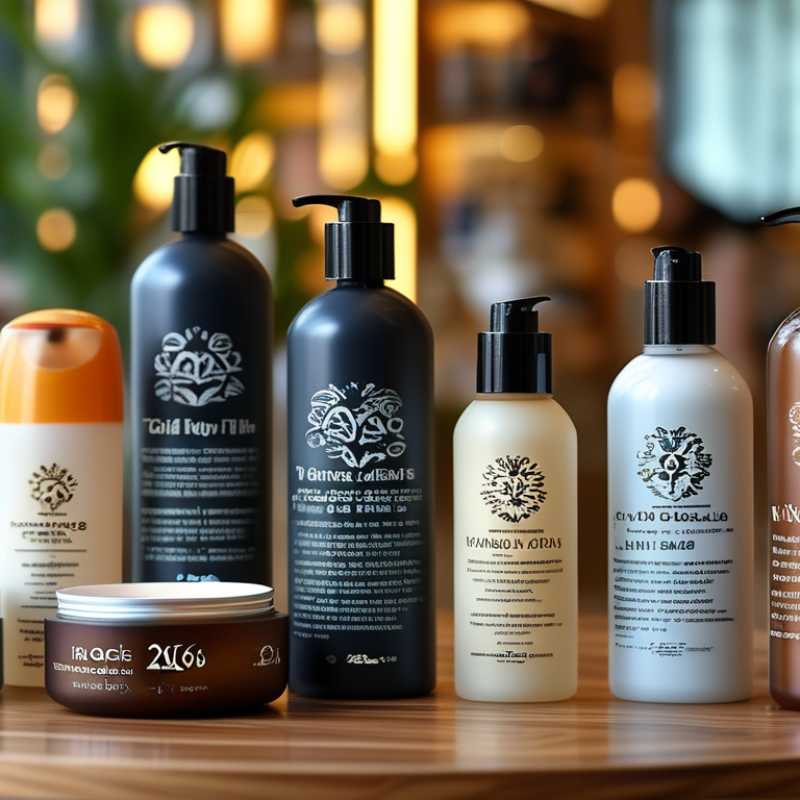
How to Start a Skincare Brand Successfully in 2026?

Understanding the Skincare Market Trends for 2026

Understanding the skincare market trends for 2026 is crucial for anyone aiming to launch a skincare brand. The industry is rapidly evolving. Consumers now demand transparency and clean ingredients. They want effective solutions tailored to their unique skin needs. According to recent reports, natural and sustainable products are on the rise. This trend reflects a growing awareness of environmental impact and health.

The importance of personalization cannot be overstated. Brands that offer customized skincare solutions stand out. Consumers are more likely to engage with brands that address individual skin concerns. However, achieving this level of personalization is not simple. It requires understanding customer data and preferences. Moreover, brands must navigate supply chain complexities to deliver on these promises.

Social media continues to shape consumer behavior in 2026. Influencer marketing remains powerful, but authenticity is key. Consumers are becoming more discerning about whom they trust. Brands should focus on building genuine relationships with their audience. This can lead to a loyal customer base but also poses challenges. Brands must regularly evaluate their messaging and engagement strategies. As trends shift, adaptability will be essential for long-term success.

Identifying Your Target Audience and Niche in Skincare

Identifying your target audience is crucial for launching a skincare brand. According to a report from Grand View Research, the global skincare market is projected to reach $189.3 billion by 2025. This growth indicates a diverse range of consumers with different needs and preferences.

Understanding your niche helps to address specific market demands. For instance, clean beauty products are becoming increasingly popular, especially among millennials and Gen Z. This demographic values transparency and sustainability in their skincare choices. The 2022 Eco-Age report states that 67% of consumers prefer brands that contribute positively to the environment. Focusing on such values can propel your brand into a competitive position.

However, many new brands struggle to define their audience and niche. Often, this leads to diluted messaging and ineffective marketing strategies. A lack of clarity can result in wasted resources. Developing a customer persona, based on real data, is more effective. Conduct surveys and analyze trends to refine your approach. Remember, just because a market segment appears popular doesn’t mean it aligns with your brand vision. Regular reflection on your target demographics will help you adjust and succeed in 2026.

How to Start a Skincare Brand Successfully in 2026? - Identifying Your Target Audience and Niche in Skincare

Target Audience Age Group Skin Type Niche Market Product Focus
Millennials (ages 25-40) 25-30 Oily Sustainable skincare Eco-friendly products
Gen Z (ages 18-24) 18-22 Combination Vegan skincare Cruelty-free products
Middle-aged women (ages 45-60) 45-50 Dry Anti-aging Hydrating creams
Teenagers (ages 13-17) 13-16 Acne-prone Acne solutions Spot treatments
Active individuals 20-35 Normal Sports skincare Sweat-proof sunscreen

Formulating Unique and Effective Skincare Products

Starting a skincare brand in 2026 requires not just creativity but a keen understanding of formulation. The global skincare market was valued at $150 billion in 2021 and is projected to reach over $200 billion by 2026. This growth indicates a demand for unique and effective products. Formulating these products is essential for brand differentiation and consumer trust.

To create standout products, focus on ingredient integrity. Consumers are increasingly seeking natural ingredients. A recent survey showed that 72% of consumers prefer products with fewer synthetic chemicals. This trend suggests that brands should invest in research-driven formulation techniques. Consider incorporating peptides or botanical extracts, which are gaining traction for their proven benefits.

Tips:

  • Collaborate with dermatologists for formulation advice.
  • Conduct small-scale testing with real users to gather feedback early.
  • Keep abreast of emerging ingredients and consumer preferences through market reports.

Despite these strategies, not every formulation will succeed. Brands must learn from consumer feedback and be willing to pivot. Tracking sales data helps identify which products resonate. Crafting effective skincare requires ongoing experimentation and adaptation. Embrace the learning curve to build a successful brand.

Developing a Strong Brand Identity and Packaging Strategy

Creating a strong brand identity is essential for any skincare brand. Your brand's values should resonate with your target audience. Think about what makes your products unique. Are they eco-friendly or cruelty-free? These elements are crucial. They form the backbone of your identity.

Packaging is equally important. It should reflect your brand’s ethos while being functional. Consider materials that are sustainable but also aesthetically pleasing. A well-designed package catches the eye. It stands out on shelves. Remember, consumers often judge a product by its packaging. A sleek design can elevate perceived value.

Keep in mind that experimenting with designs may lead to imperfect results. Not every concept will resonate. Engage with your audience to gather feedback. This process can refine your strategy. Embrace the idea that mistakes can lead to improvements. It’s an ongoing journey that requires patience and adaptability.

Implementing Marketing Strategies for Brand Launch and Growth

Launching a skincare brand in 2026 requires effective marketing strategies. The skincare market is projected to reach $200 billion by 2026, with a significant focus on natural and organic products. Understanding your target audience is crucial. Conduct thorough market research to identify trends and preferences. This insight can guide product development and help tailor your marketing messages.

Building a brand identity is key. Utilize social media platforms, as 72% of consumers prefer brands that engage with them online. Create authentic content that resonates with your audience. Collaborate with influencers who align with your brand values. This can enhance visibility and trust. Remember, trust is vital; brands with transparent storytelling see 60% higher customer loyalty.

Tip: Engage with your audience through interactive content. Polls, quizzes, and live Q&A sessions can create a community feel. Don’t forget to monitor feedback and adjust your strategies accordingly. It shows adaptability, which is appreciated in the fast-evolving skincare industry.

Sometimes, not every strategy will yield immediate results. Some campaigns may flop, and that’s part of the journey. Reflecting on these failures can be just as valuable as celebrating successes. Learning from what didn't work helps fine-tune your approach. Focus on building a resilient brand that evolves with its customers' needs.

FAQS

: What are the current trends in the skincare market?

: The skincare market is focusing on natural and sustainable products, with rising consumer demand for transparency.

Why is personalization important in skincare?

Personalization addresses unique skin concerns, making brands more appealing, yet it requires understanding customer data deeply.

How does social media influence skincare purchases?

Social media shapes consumer behavior. Authentic influencer marketing is essential, as consumers are wary of insincerity.

Who should skincare brands target?

Brands should identify specific audience segments, focusing on those who value transparency and sustainability, particularly younger consumers.

What challenges do new skincare brands face?

Many struggle to define their audience effectively, leading to unclear messaging and wasted resources, hindering success.

How can brands create effective skincare products?

Brands need to focus on ingredient integrity, utilizing natural compounds and conducting thorough research on consumer preferences.

What should brands do to ensure product viability?

Early user testing and consumer feedback are crucial. Brands must be ready to adapt based on this input.

Why is collaboration important in product formulation?

Collaborating with dermatologists provides expert insights that can enhance product efficacy and consumer trust.

How can brands keep up with market trends?

Regularly analyzing market reports and emerging ingredients will help brands stay relevant and responsive to consumer needs.

What should brands remember during formulation?

Not every product will succeed; learning from feedback, tracking sales data, and being willing to pivot is essential.

Conclusion

Starting a skincare brand in 2026 requires a strategic approach that begins with understanding current market trends. Analyzing consumer preferences will help identify gaps in the market and define your target audience and niche. Once you've pinpointed your ideal customers, focus on formulating unique and effective skincare products that meet their needs.

Additionally, developing a strong brand identity is crucial. This involves creating appealing packaging that resonates with your audience while conveying your brand’s values. Finally, implement effective marketing strategies to ensure a successful brand launch and sustain growth in a competitive landscape. By following these steps, you will learn how to start a skincare brand that stands out and thrives in the evolving skincare market.

Charlotte

Charlotte

Charlotte is a seasoned marketing professional with a deep understanding of the company's portfolio and a passion for elevating its presence in the market. With a keen eye for detail and a commitment to excellence, she ensures that our professional blog is regularly updated with insightful articles......