How are Skincare Products Made From Ingredients to Packaging?

Time:2026-06-09 Author:Aria
0%

Understanding how are skincare products made is essential for consumers. The journey begins with sourcing quality ingredients. These components can include natural extracts, essential oils, and synthetics. Each ingredient serves a specific purpose. It may enhance moisturizing, provide sun protection, or combat aging.

The formulation process is complex and requires expertise. Chemists blend ingredients carefully to ensure effectiveness and stability. This stage involves testing, adjusting pH levels, and ensuring safety. Quality control checks play a significant role here. They help guarantee that products are reliable and safe for consumer use.

Packaging is just as important as the formulation. It protects the product and maintains its integrity. Sustainable packaging choices reflect growing consumer demand. However, the industry still faces challenges in minimizing waste. Understanding this entire process can empower consumers to make informed choices about their skincare products.
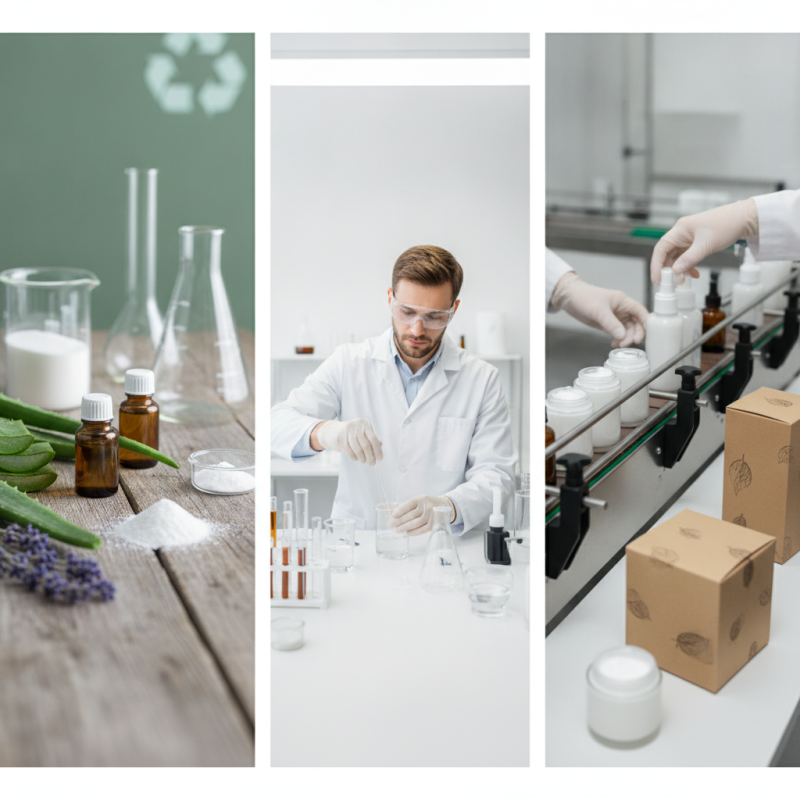
How are Skincare Products Made From Ingredients to Packaging?

Understanding the Key Ingredients Used in Skincare Products

Skincare products encompass a variety of key ingredients that cater to different skin types and concerns. Moisturizers often contain hyaluronic acid, a powerful humectant that attracts water and hydrates the skin. This ingredient can help plump and smooth the skin, offering an immediate visible effect. However, it may not work well for everyone. Some users with oily skin may find it too heavy.

Acids, like glycolic or salicylic, serve as exfoliants, helping to remove dead skin cells. They can brighten the complexion but can also lead to irritation if used excessively. People with sensitive skin should introduce these ingredients gradually. Oils, such as jojoba or argan, provide nourishment and can enhance the skin barrier function. Yet, for those prone to breakouts, the wrong type of oil can exacerbate issues.

Packaging also plays a critical role in the effectiveness of skincare products. For instance, air-tight containers preserve the integrity of sensitive ingredients like antioxidants. However, not all brands prioritize packaging that protects these products from light and air. This inconsistency can influence results, leaving consumers frustrated. They want effective solutions but often face challenges in choosing the right product. This highlights the importance of understanding both ingredients and packaging for optimal skincare.

The Process of Formulating Skincare Products: From Concept to Reality

The journey of formulating skincare products is intricate and layered. Starting from a simple idea, brands conduct extensive research to identify effective ingredients. According to a report by Statista, the global skincare market was valued at approximately $145 billion in 2020. This underscores the competitive nature of the industry. Brands rely heavily on scientific data to select ingredients that are safe and beneficial. Commonly used substances like hyaluronic acid and vitamin C are known for their hydration and antioxidant properties.

After the ingredient selection, formulation specialists blend these components into a stable mixture. This often involves numerous trials and adjustments. A survey by the NPD Group revealed that 55% of consumers prioritize product efficacy over marketing claims. Brands must listen to feedback and adapt formulations accordingly. Iterating on a formula can lead to imperfections. Sometimes, a promising mix doesn’t perform as expected, leading to a rethink of component ratios or the introduction of new ingredients.

Once the formulation is finalized, attention shifts to packaging. Sustainable packaging has become crucial, with studies indicating that 73% of consumers prefer brands that utilize eco-friendly materials. However, balancing aesthetics with functionality remains a challenge. Packaging must protect the product while appealing to consumers. The process, while seemingly straightforward, is filled with hurdles and requires constant reevaluation to meet evolving standards and consumer expectations.

Manufacturing Techniques for Skincare: Mixing, Molding, and More

The manufacturing of skincare products involves intricate processes that combine art and science. Techniques like mixing, molding, and filling are critical. Mixing must ensure uniformity and stability, often requiring precise equipment. According to a 2022 market report, around 30% of skincare product failures are attributed to ineffective mixing. This highlights how crucial this step is in the manufacturing process.

Molding is another essential technique used in skincare product development. This method shapes creams and gels into specific forms. The precision in molding significantly impacts the end product’s quality and usability. A report by the Global Cosmetic Industry indicated that nearly 25% of consumers notice a product's texture and form before purchasing. Packaging, too, plays a vital role. It protects the product and maintains its efficacy.

Quality assurance is often overlooked. Regular testing of ingredients is vital. However, many manufacturers still struggle to meet standards. In a recent survey, only 60% of companies reported having stringent quality checks in place. This lack of consistency raises potential questions about product reliability. The skincare industry's evolution demands ongoing improvements in these manufacturing techniques, reflecting both customer expectations and regulatory requirements.

Exploring Eco-Friendly Packaging Options for Skincare Products

Eco-friendly packaging is becoming crucial in the skincare industry. Consumers are increasingly demanding sustainability. A report from McKinsey reveals that 60% of consumers prefer brands with a strong sustainability commitment. This trend reflects the changing mindset of consumers who are conscious of their environmental footprint.

Innovative materials are replacing traditional plastics. Biodegradable and recyclable options are on the rise. For instance, materials like glass, aluminum, and post-consumer recycled plastics are popular choices. Yet, challenges remain. Not all sustainable materials protect products effectively. Packaging must ensure product integrity while being eco-friendly.

The cost of eco-friendly options can be a barrier. Some brands face higher production costs for sustainable packaging. This increases product prices. Still, the long-term savings from reduced waste can outweigh these costs. As the industry evolves, a balance between sustainability and effectiveness is essential. Brands must navigate this landscape carefully, considering both consumer demands and environmental impacts.

Quality Control and Testing in the Skincare Production Process

Quality control is crucial in skincare production. It begins with rigorous testing of raw materials. Every ingredient must be analyzed for purity and safety. This ensures that only high-quality substances are used in formulations. Quality checks continue through the blending and mixing phases. Formulators perform tests to verify consistency and stability.

After the formulation, testing shifts to the final product. Stability tests evaluate how the product holds over time. These tests can reveal changes in texture or efficacy. Microbial testing is also vital. It ensures products are free from harmful bacteria. Any deviations in results must be reviewed and addressed.

Packaging also undergoes quality checks. Proper seals must be verified to maintain product integrity. Environmental impacts of packaging materials are considered. The goal is to balance effectiveness with sustainability. Challenges remain in creating both safe and eco-friendly options. Continuous improvement is needed in this area. Quality control is a journey, not just a checkpoint.

FAQS

: Why is eco-friendly packaging important in skincare?

: Eco-friendly packaging reduces environmental impact. Consumers want sustainable options. This trend is growing rapidly.

What materials are used in eco-friendly packaging?

Common materials include glass, aluminum, and recycled plastics. These options are often biodegradable or recyclable.

Are eco-friendly packaging options always effective?

Not all sustainable materials protect products well. Packaging must ensure product integrity alongside being eco-friendly.

What are the cost implications of eco-friendly packaging?

Sustainable packaging can be more expensive. Higher production costs may lead to increased product prices.

How can brands balance sustainability and effectiveness?

Brands must carefully navigate between consumer demands and environmental impacts. Continuous improvement is essential in this process.

What role does quality control play in skincare production?

Quality control ensures high purity and safety of ingredients. Testing continues throughout production for consistency.

What tests are performed on final skincare products?

Stability tests and microbial testing are conducted. These checks ensure products maintain quality over time.

How is packaging quality ensured?

Proper seals must be verified to protect the product. Packaging materials' environmental impact is also assessed.

Are there ongoing challenges in skincare production?

Yes, creating safe and eco-friendly options remains a challenge. Quality control is a continuous journey.

Why is testing important in the skincare production process?

Testing prevents harmful bacteria. It also ensures that products meet safety and quality standards consistently.

Conclusion

The article "How are Skincare Products Made From Ingredients to Packaging?" delves into the intricate process of skincare production, highlighting the essential components that contribute to the final product. It begins by examining the key ingredients commonly used in skincare formulations, discussing their benefits and roles. The formulation process is then explored, illustrating how concepts evolve into tangible products through careful planning and creativity.

Additionally, the article addresses the various manufacturing techniques, such as mixing and molding, that ensure products maintain consistency and quality. It emphasizes the importance of eco-friendly packaging options, promoting sustainability in the skincare industry. Finally, the piece covers the critical aspects of quality control and testing, ensuring that every product meets safety and effectiveness standards. Overall, this comprehensive overview answers the question of how are skincare products made while emphasizing innovation and environmental responsibility.

Aria

Aria

Aria is a dedicated marketing professional with a deep passion for innovative strategies and a keen understanding of our company's product offerings. With a wealth of experience in the industry, Aria excels at crafting engaging content that highlights the unique features and benefits of our......