When choosing skincare products, safety is a top concern. Consumers often ask, "What certifications should skincare products have?" These certifications assure buyers of product safety and effectiveness. They verify that products were tested and comply with necessary standards.
A reputable skincare product should hold certifications from recognized authorities. These can include dermatological tests, cruelty-free certifications, and eco-friendly labels. However, not all products with certifications are guaranteed to be safe or effective. Over time, some brands may misinterpret or misrepresent these certifications.
It's essential to research the meanings behind each certification. Understanding what each label indicates can empower consumers. Reliable sources can provide much-needed clarity. Yet, some certifications may be insufficient. Consumer skepticism is justified, as the skincare industry continues to evolve with new technologies and trends.
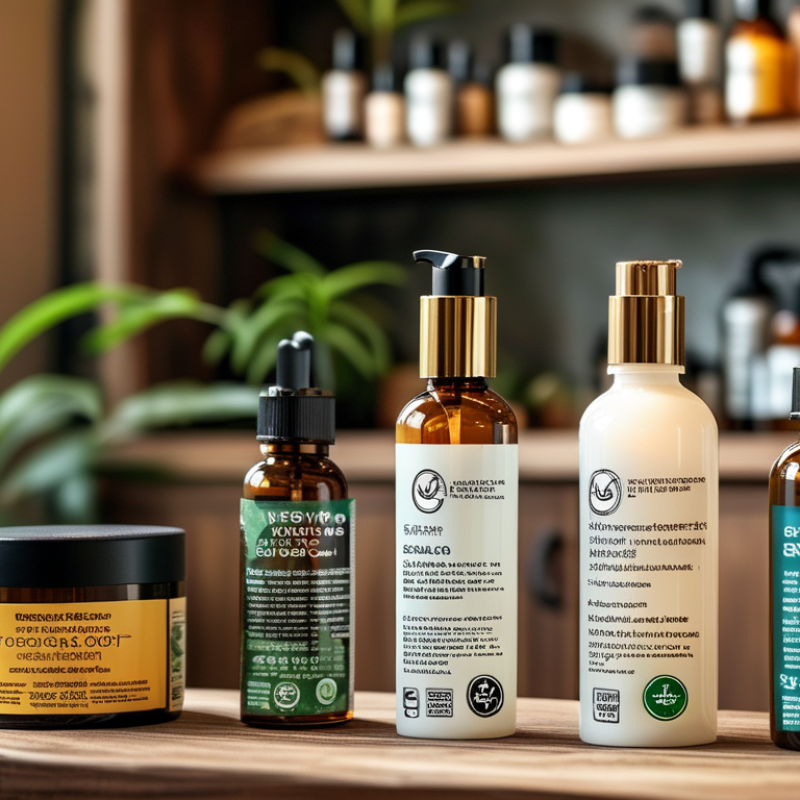
Safety certifications for skincare products play a critical role in consumer trust and product quality. These certifications indicate that a product has undergone rigorous testing for safety and efficacy. When you see a certification label, it suggests that the product meets industry standards. However, not all certifications are created equal. It's essential to research and understand what each certification entails.
Many consumers overlook the importance of these certifications. They often rely on marketing claims instead. This can lead to using products that may contain harmful ingredients. A product could be labeled "natural" but still cause adverse effects. Understanding safety certifications helps you make informed choices. It empowers you to select products that safeguard your skin and overall health.
Unfortunately, the landscape of skincare regulations can be murky. Not all regions require stringent testing before products hit the shelves. Some certifications may have less credibility than others. This discrepancy can confuse consumers seeking trustworthy options. Therefore, relying solely on packaging claims is risky. It’s a responsibility for consumers to research and seek out products backed by reputable safety certifications.
When selecting skincare products, certifications play a crucial role in ensuring safety. A common certification to look for is the "Dermatologically Tested" label. This indicates that the product underwent clinical testing on skin and was deemed safe for use. However, not all tests are the same; the methodology can vary. This creates a need for consumers to research which testing guidelines were followed.
Another important certification is "Cruelty-Free." This label signifies that the product was not tested on animals. While this is a positive attribute, the term can sometimes be misleading. Different organizations have varying definitions of cruelty-free. This brings up the question of transparency and the need for consumers to dig deeper.
"Non-Comedogenic" is yet another label often found on skincare items. It suggests the product won't clog pores. However, individual skin types can react differently. Just because a product is labeled non-comedogenic doesn’t guarantee it will work for everyone. It's essential to consider personal skin needs and conduct patch tests. Understanding these certifications helps build a more informed selection process while navigating the complexities of skincare safety.
When considering skincare product safety, understanding the regulatory standards in play is crucial. In the United States, the FDA emphasizes safety and labeling under the Federal Food, Drug, and Cosmetic Act. This act does not require pre-market approval for most products, but it does hold manufacturers accountable for safety claims. A 2021 report highlighted that nearly 40% of consumers seek transparency in skincare formulations.
In the European Union, regulations are more stringent. The EU Cosmetics Regulation mandates a safety assessment for all products before they reach the market. Manufacturers must provide detailed ingredient lists and proof of safety through clinical trials or similar methodologies. According to a 2022 industry report, around 70% of EU consumers regard regulatory compliance as a crucial factor in their purchasing decisions.
**Tips**: Always check if products have certification such as “dermatologically tested” or “hypoallergenic.” Accreditations from reputable organizations can add a layer of trust. Look for products that disclose their ingredient sources; this is a sign of transparency.
It's important to remain aware of the evolving regulations. Non-compliance can lead to recalls and distrust in brands. Almost 30% of skincare brands failed to meet compliance requirements last year, which raises significant concerns for consumers. Stay informed and cautious when selecting products based solely on marketing claims.
Dermatological testing plays a crucial role in establishing the safety and effectiveness of skincare products. This process involves rigorous evaluations by trained professionals. According to recent industry reports, approximately 75% of consumers prefer products that have undergone dermatological testing. These tests help identify potential irritants and allergens, ensuring that a product is safe for human use.
Clinical trials further enhance product credibility. Research indicates that 80% of skincare brands conducting clinical trials see an increase in consumer trust. These trials provide scientific evidence of a product's efficacy. They also help in substantiating marketing claims, which is vital in a crowded market. However, the cost and time associated with these trials can be challenging for smaller brands. This disparity raises questions about the accessibility of safe products for all consumers.
Despite the advancements in testing protocols, not all skincare products undergo thorough evaluations. The lack of regulation in certain markets means some products may claim safety without sufficient backing. This gap creates hesitation among informed consumers. Continuous improvement in testing standards and transparency in results remains essential for a trustworthy skincare industry.
Understanding certifications in skincare can be overwhelming. Consumers often rely on these certifications to make informed choices. A 2022 survey by the Skin Health Alliance found that 80% of consumers trust certifications as indicators of safety. Yet, many are unaware of what these certifications truly signify.
Certifications from reputable organizations ensure rigorous testing. Products certified by dermatology experts often go through comprehensive evaluations for safety and effectiveness. However, not all certifications hold the same weight. Some are self-regulated, creating ambiguity in trustworthiness. It's crucial to look for third-party endorsements to ensure reliability.
Tip: Look for certifications such as "Dermatologist Tested" or "Cruelty-Free" to guide your skincare purchases. Always read reviews and check for ingredient transparency.
Many consumers have experienced reactions to seemingly certified products. It raises questions about the credibility of some certifications. This highlights the importance of researching and understanding the certifications that matter. Finding trustworthy sources for your skincare products is essential.
Tip: Consult with dermatologists when trying new products, especially if you have sensitive skin. They can help you navigate certifications effectively.
: They indicate rigorous testing for safety and efficacy, boosting consumer trust.
Understanding certifications helps consumers avoid harmful ingredients and make informed selections for their skin.
No, some certifications vary in credibility. It's crucial to research each one thoroughly.
It means the product was clinically tested on skin, but testing methods can differ.
These indicate no animal testing, but definitions vary. More research is needed for clarity.
It suggests the product won't clog pores, but individual skin reactions may differ.
The FDA holds manufacturers accountable for safety claims, but pre-market approval isn’t always required.
The EU mandates safety assessments, requiring detailed ingredient lists and proof before products are sold.
Disclosing ingredient sources builds trust and helps consumers understand what they apply to their skin.
Marketing can be misleading, leading to potential skin issues. It's better to verify certifications and safety.
The article "What Certifications Should Skincare Products Carry for Safety?" emphasizes the importance of safety certifications in skincare products. It highlights that certifications not only ensure product safety and efficacy but also foster consumer trust in the products they choose to use. Consumers are encouraged to be aware of these certifications as they play a crucial role in making informed skincare choices.
An overview of common skincare product certifications outlines their significance, revealing how regulatory standards set by entities such as the FDA and EU Cosmetics Regulation contribute to product safety. Additionally, the article discusses the impact of dermatological testing and clinical trials on enhancing product credibility. Ultimately, understanding what certifications should skincare products have is essential for consumers aiming for safe and effective skincare solutions.
