Why Are Natural Skincare Products Popular in 2026?

Time:2026-07-31 Author:Madeline
0%

As we step into 2026, a notable shift in consumer behavior is evident in the beauty industry. Many individuals are increasingly drawn to natural skincare products. Research from Market Research Future predicts that the global natural skincare market will reach $25 billion by 2027. This significant growth raises the question: why are natural skincare products becoming popular?

A growing number of consumers are seeking clean and eco-friendly alternatives. According to a survey by the Organic Trade Association, 60% of respondents prefer products with natural ingredients. This trend is partly due to rising awareness about the harmful effects of synthetic chemicals. People are becoming more informed and cautious about what they apply to their skin.

Despite this enthusiasm, some consumers express uncertainty about the efficacy of natural products. There are still gaps in knowledge regarding ingredient sourcing and labeling. The industry must address these concerns to build trust. Clear communication is essential for guiding consumers towards informed choices. Overall, as we explore why natural skincare products are gaining traction, it is crucial to recognize both the opportunities and challenges in this evolving market.
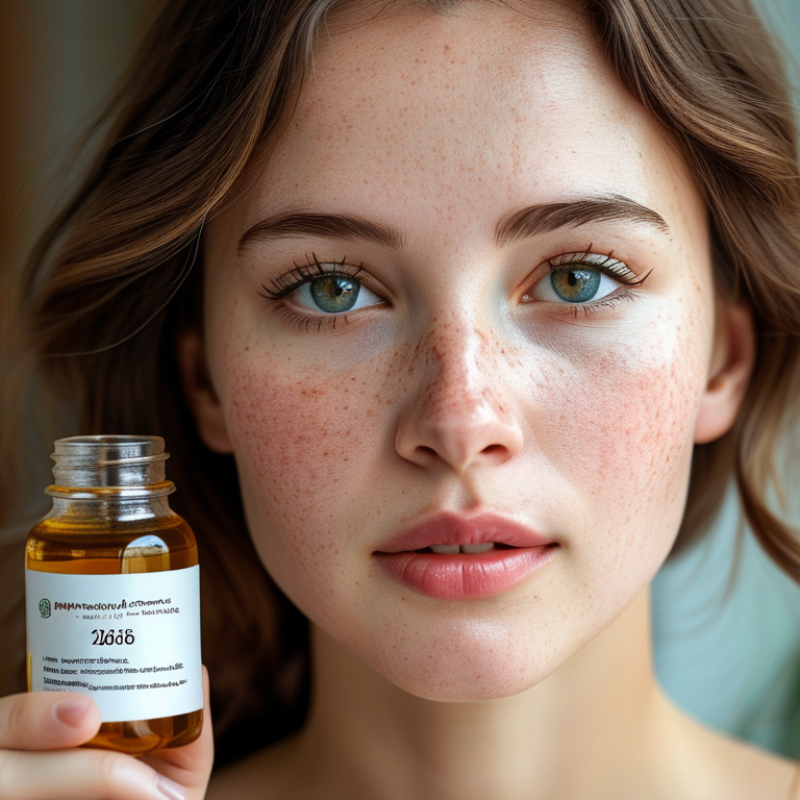
Why Are Natural Skincare Products Popular in 2026?

The Rise of Natural Skincare Products in 2026

The trend of natural skincare products has surged dramatically in 2026. According to a recent industry report, the global natural skincare market is projected to reach $25 billion by the end of the year. This shift reflects a growing consumer awareness regarding personal health and the harmful effects of synthetic chemicals.

Consumers are increasingly choosing products with organic ingredients. An estimated 70% of skincare buyers prioritize natural formulations. This demand is driving brands to innovate and offer cleaner alternatives. However, some brands may exaggerate their natural claims, leading to consumer confusion. It’s essential to read labels carefully and understand ingredient origins.

Tip: Look for certifications like USDA Organic or Ecocert on labels. These indicators often reflect a product’s commitment to natural ingredients.

The rise of social media influencers has also fueled this trend. Many people are eager to try what they see on platforms like Instagram and TikTok. Yet, followers should remain cautious of the latest fads. Not all trendy products suit everyone’s skin type. Testing for allergies and sensitivities is crucial.

Tip: Conduct patch tests before fully incorporating new products. This step helps avoid potential skin reactions.

As natural skincare continues to gain popularity, consumers should strive for informed choices. Seeking advice from dermatologists can lead to better outcomes. Balancing personal preferences with professional insights can create a healthier skincare routine.

Consumer Awareness and Demand for Clean Ingredients

Consumer awareness about skincare products has dramatically evolved by 2026. Many people now actively seek natural ingredients. They want to avoid synthetic compounds that can cause irritation or allergic reactions. This awareness drives the demand for clean ingredients.

Studies show that consumers are more informed than ever. They research ingredients and their benefits. More individuals are reading labels carefully. However, some still struggle to differentiate between natural and organic. Understanding what constitutes clean beauty is crucial. Not all brands are transparent about their formulations. Misleading marketing can create confusion among shoppers.

Social media plays a vital role in this shift. Influencers often share their experiences with natural products. They highlight their personal journeys toward healthier skin. Yet, this can lead to unrealistic expectations. Many consumers might believe that natural products are universally effective. The reality is that skin types vary significantly. What works for one may not work for another. Consumers should remain skeptical and thoughtful about their choices. Overall, the trend towards natural skincare reflects a growing desire for transparency and simplicity in beauty.

The Role of Sustainable Practices in Skincare Choices

In recent years, the skincare industry has witnessed a significant shift. More consumers prioritize sustainability in their skincare choices. Reports indicate that about 70% of consumers are willing to pay more for sustainable products. This trend is reshaping how brands approach product development and marketing.

Sustainable practices are not just a buzzword; they reflect a growing awareness. Many companies are committing to eco-friendly packaging and sourcing natural ingredients. For example, a 2025 survey highlighted that 63% of consumers prefer biodegradable packaging. The demand for transparency in ingredient sourcing is also rising. Consumers are increasingly asking questions about the ethics of sourcing and production methods.

However, adopting sustainable practices is not without challenges. Some brands struggle to find reliable suppliers who meet these criteria. Additionally, the costs associated with sustainable materials can be higher. This reality can limit accessibility for smaller brands. Companies must balance eco-friendliness with affordability. This ongoing dialogue is essential for the future of skincare.

Influence of Social Media on Natural Skincare Trends

Social media has transformed the landscape of natural skincare. In 2026, platforms like Instagram and TikTok are buzzing with influencers sharing their skincare routines. This abundant information often shapes consumer preferences. Many people are now interested in clean beauty practices. They seek organic ingredients and sustainable packaging.

However, not all advice on social media is reliable. The rise of unverified information poses challenges. A quick search can yield mixed results, leaving consumers confused. It's essential to critically evaluate the sources of skincare tips. Look for experts in cosmetology or dermatology. Trustworthy content comes from qualified professionals who emphasize safety and efficacy.

Tips for navigating skincare trends: First, don’t just follow the crowd. What works for one might not work for you. Always patch-test new products to avoid adverse reactions. Secondly, focus on education. Reading scientific articles on skincare can help you discern fact from fiction. Engaging with community forums can also provide valuable insights. Lastly, document your skincare journey. Keeping a journal can reveal patterns and help you make informed decisions.

Regulatory Changes Impacting Product Formulations and Marketing

In 2026, natural skincare products are gaining traction. This rise is largely due to significant regulatory changes affecting formulations and marketing strategies. As consumers become more health-conscious, regulations ensure transparency in ingredient lists. Brands now face scrutiny over harmful additives. This shift holds companies accountable, fostering trust with consumers.

Tips: Always read labels before purchasing. Look for certifications that verify product claims. Understanding ingredients is essential.

Regulatory frameworks encourage brands to prioritize safety and efficacy. New guidelines demand that companies provide clear, accurate information about their products. This transparency protects consumers and promotes a culture of informed choices. Brands are required to disclose sourcing practices, ensuring ethical standards are met.

Tips: Educate yourself on common harmful ingredients. Stay updated on regulatory changes that may influence your favorite products. Engage with brands on social media to ask questions about formulations.

FAQS

: What is driving the popularity of natural skincare products?

: Growing consumer awareness of health and synthetic chemical effects fuels the demand for natural formulations.

How can consumers identify genuine natural products?

Look for certifications like USDA Organic or Ecocert on labels. These indicate a commitment to natural ingredients.

Why is it important to test new products before use?

Conducting patch tests helps avoid skin reactions. Everyone's skin type is different, and reactions can vary.

What role do social media influencers play in skincare choices?

Influencers share experiences with natural products, but this can lead to unrealistic expectations among consumers.

How are consumers changing their approach to ingredient awareness?

Many actively research ingredients, but some still struggle to differentiate between natural and organic.

What is the current trend regarding sustainability in skincare?

About 70% of consumers are willing to pay more for sustainable products, reshaping brand strategies.

What challenges do skincare brands face in adopting sustainable practices?

Some brands find it hard to source reliable suppliers, and sustainable materials can be costly.

Are natural products effective for everyone?

Not all natural products work for every skin type. Personal preferences and skin compatibility vary greatly.

What should consumers consider when making skincare choices?

Seek professional advice, balance personal preferences, and remain critical of misleading marketing claims.

How can consumers ensure better skincare outcomes?

Inform your choices through research and consult with dermatologists for a more effective skincare routine.

Conclusion

In 2026, the popularity of natural skincare products can be attributed to several key factors. Firstly, there is a notable rise in consumer awareness regarding clean ingredients and their benefits, as individuals increasingly prioritize health and safety in their skincare choices. This growing consumer demand has led brands to focus on transparency and sustainability in their formulations, which are seen as essential values in the modern landscape of beauty.

Moreover, social media has played a pivotal role in shaping trends, with influencers and user-generated content amplifying the message of natural skincare's efficacy and ethical considerations. Additionally, regulatory changes have encouraged companies to adapt their product formulations and marketing strategies, further aligning them with consumer expectations. Overall, these factors collectively explain why are natural skincare products becoming popular, reflecting a broader shift towards a more conscious and sustainable approach to beauty.

Madeline

Madeline

Madeline is a dedicated marketing professional with a wealth of expertise in our company's core offerings. With a keen understanding of the industry, she brings a unique perspective to her role, consistently delivering high-quality content that highlights the superior aspects of our products. As......