In recent years, the skincare industry has grown exponentially, making it crucial to prioritize safety. Many consumers wonder, "what ingredients should you avoid in skincare products?" Renowned dermatologist Dr. Ava Shamban warns, "Not all that glitters is good for your skin." This emphasizes the importance of being informed about harmful ingredients.
Certain chemicals can cause allergic reactions or lead to long-term skin damage. Ingredients like parabens, sulfates, and artificial fragrances frequently appear in many products. Parabens, used as preservatives, can disrupt hormonal balance. Sulfates often strip the skin of its natural oils. Artificial fragrances may irritate sensitive skin, leading to further complications.
Understanding what ingredients to avoid in skincare products is not just a trend; it’s a necessity for anyone who cares about their skin health. Many assume that all products labeled "natural" are safe, but that isn’t always true. Remember, the absence of harmful ingredients does not guarantee the product's effectiveness. Choose wisely, and always read labels carefully.
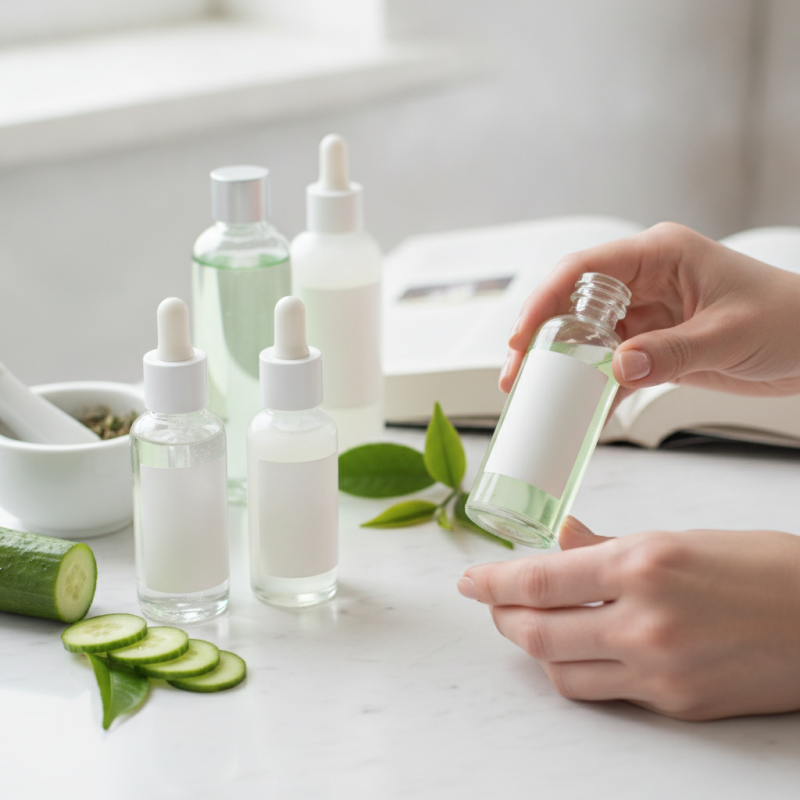
Understanding the Importance of Ingredient Safety in Skincare Products
In skincare, ingredient safety is critical. Many products contain harmful substances that can lead to skin irritation or other issues. Understanding what to avoid is essential for maintaining healthy skin.
Common culprits include parabens, sulfates, and synthetic fragrances. Parabens are preservatives but may disrupt hormones. Sulfates can strip natural oils, leading to dryness. Synthetic fragrances often cause allergic reactions, especially in sensitive individuals.
**Tips:** Always read labels closely. Look for products labeled as “fragrance-free” or “hypoallergenic.” Opt for gentle formulations with natural ingredients. When trying new products, patch test them first. Consider keeping a skincare journal to track reactions.
Consumer education is necessary to navigate the complex world of skincare. Not every product labeled as “natural” is safe. Misleading marketing can trick even informed buyers. Make informed choices based on your skin type and conditions.
What Ingredients to Avoid in Skincare Products for Safety?
Common Harmful Chemicals to Avoid in Skincare Formulations
When selecting skincare products, being aware of harmful chemicals is crucial. Many formulations contain parabens, synthetic preservatives linked to hormone disruption. Research from the Journal of Dermatological Science indicates that parabens can mimic estrogen, potentially affecting hormonal balance.
Another ingredient to be cautious of is sulfates. Commonly found in cleansers, sulfates strip natural oils from the skin. This can lead to dryness and irritation, particularly for sensitive skin types. A report by the American Academy of Dermatology notes that prolonged use of sulfate-laden products exacerbates skin conditions.
Fragrance, often regarded as an innocuous addition, can be a hidden risk. The term covers numerous chemical compounds that may trigger allergic reactions. A study published in the Contact Dermatitis Journal found that nearly 3% of individuals experience contact dermatitis from fragrances. Awareness and choosing fragrance-free options can safeguard against these reactions.
Natural Alternatives to Harmful Skincare Ingredients
When exploring natural alternatives to harmful skincare ingredients, clarity and safety are crucial. Many conventional products contain parabens, sulfates, and synthetic fragrances. These components can disrupt hormonal balance and lead to skin irritations. A report from the Cosmetic Ingredient Review found that certain chemicals used in cosmetics can be absorbed through the skin, raising concerns about long-term exposure.
Natural alternatives provide a safer path. For example, instead of parabens, consider using plant-based preservatives. Vitamin E, derived from natural sources, can extend shelf life without adverse effects. In place of synthetic fragrances, essential oils like lavender and chamomile offer gentle aromas and calming properties. According to the Environmental Working Group, utilizing natural skincare products can significantly reduce the risk of allergic reactions.
While the shift towards natural ingredients is promising, the transition can feel daunting. Some may find that natural products take longer to show results. Others might experience adjustments in skin texture. However, with continued research and consumer awareness, the skincare industry is gradually moving towards safer and more effective options. This journey requires patience and a willingness to experiment with what truly works for your individual needs.
How to Read Labels and Identify Unsafe Ingredients
Reading labels on skincare products is essential for ensuring safety. Ingredients are often listed in order of concentration, with the most prevalent first. This information helps you understand what you’re applying to your skin. Look for familiar terms. If you can’t pronounce it, consider researching it.
Avoid ingredients like parabens and sulfates. These can disrupt hormones and irritate skin. Fragrances are also a concern; they may cause allergic reactions.
Note that "fragrance-free" does not always mean safe. Sometimes, it masks harmful chemicals.
In addition, pay attention to preservatives. Some may lead to skin issues over time. While some products boast “natural” on their labels, it doesn't always imply they are safe. Remember, the word “natural” is not regulated. It’s easy to fall into marketing traps. Always research before trying new products. Your skin deserves to be protected.
Regulations and Consumer Awareness in Skincare Safety
Consumer awareness plays a vital role in skincare safety. With numerous products on the market, understanding what to avoid is essential. Many consumers remain unaware of harmful ingredients lurking in their favorite creams and serums. For example, parabens and sulfates are commonly found in many formulations. These substances can disrupt hormonal balance and irritate the skin.
Regulations regarding skincare safety vary widely. In some regions, regulatory bodies have strict guidelines for ingredient safety, while in others, the standards are less stringent. This inconsistency can lead to confusion among consumers. It is crucial for individuals to familiarize themselves with safety guidelines that their governing bodies provide. Recognizing harmful ingredients and understanding label claims can empower consumers to make better choices.
Education is key in navigating skincare products. Online resources and consumer guides can help demystify complex ingredient lists. However, even with access to information, many people struggle to differentiate safe products from harmful ones. Continuous learning and vigilance are necessary for maintaining skincare safety. Everyone must take responsibility for their skin health, examining products closely before use.
What Ingredients to Avoid in Skincare Products for Safety?
| Ingredient |
Potential Risks |
Regulatory Status |
Consumer Awareness |
| Parabens |
Hormone disruption, potential carcinogen |
Restricted in some regions |
High awareness, many brands are paraben-free |
| Sulfates |
Skin irritation, dryness |
Generally accepted but monitored |
Growing awareness; sulfate-free products gaining popularity |
| Phthalates |
Potential endocrine disruptor |
Banned in various cosmetic applications |
Awareness is increasing |
| Formaldehyde and Formaldehyde Releasers |
Carcinogen, skin irritation |
Tightly regulated |
High awareness, often avoidable |
| Toluene |
Reproductive and developmental toxicity |
Restricted use |
Moderate awareness, often listed on labels |
FAQS
: Parabens are synthetic preservatives. They may disrupt hormones and mimic estrogen. This can affect hormonal balance.
Sulfates strip natural oils from skin. This can lead to dryness and irritation, especially for sensitive skin types.
Not all fragrances are safe. They can contain compounds triggering allergic reactions in some individuals.
Regulations vary by region. Some areas have strict guidelines on ingredients, while others are less regulated.
Many products contain harmful ingredients. Awareness helps consumers identify what to avoid for better skin health.
Use online resources and consumer guides. Continuous learning helps differentiate safe products from harmful ones.
No, it can be challenging. Many people struggle to decipher ingredient labels, making education vital.
Consumers should examine products closely. Taking responsibility for skin health is essential to avoid harmful ingredients.
Conclusion
In today's skincare market, understanding safety is paramount, particularly regarding what ingredients should you avoid in skincare products. Various harmful chemicals can have adverse effects on skin health, so awareness of these ingredients is crucial. Some common harmful substances include parabens, sulfates, and synthetic fragrances, which are often found in many formulations.
Fortunately, there are natural alternatives available that provide safe and effective skincare options. Learning how to read product labels and identify unsafe ingredients is essential for consumers seeking safer skincare choices. Additionally, staying informed about regulations and fostering consumer awareness can lead to better skincare practices. Prioritizing ingredient safety is vital for achieving healthy, radiant skin while avoiding potentially harmful substances.

 ROTT Beauty