Importing skincare products from China can be a rewarding venture. Many entrepreneurs seek to capitalize on the booming global beauty market. The question arises: how to import skincare products from China?
Navigating this process requires careful planning and knowledge. Understanding the regulations and standards for skincare products is critical. Importing involves more than finding a supplier; it demands attention to detail in quality control and compliance with safety standards.
Sometimes, the journey may not go as planned. You might face language barriers or misunderstandings with suppliers. These challenges can lead to delays and unexpected costs. Reflecting on these experiences helps improve future imports. Caution and preparation are essential in ensuring a successful venture.
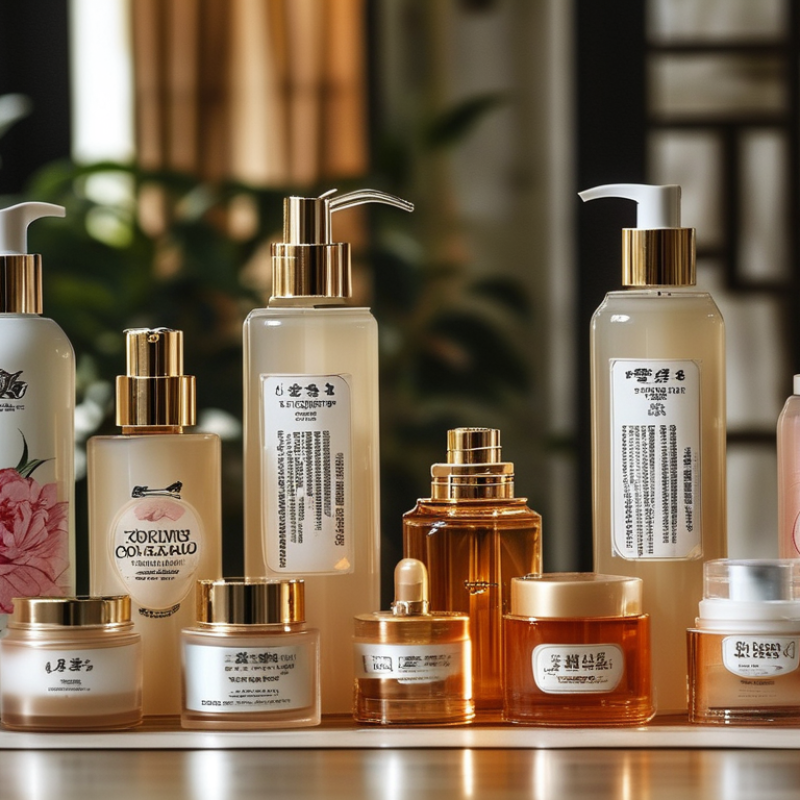
Understanding the regulatory landscape for importing skincare products from China is crucial. The Chinese market is vast, with an estimated value of $50 billion by 2023. Compliance with regulations sets the foundation for success. Notably, the China Food and Drug Administration (CFDA) has stringent rules in place concerning the importation of cosmetics. It’s essential to register products and meet safety standards, ensuring they comply with both Chinese and international guidelines.
Tips: Always verify ingredient lists and ensure they meet local regulations. Non-compliance can delay imports and lead to financial losses.
Additionally, labeling requirements are critical. The labels must be in Chinese and contain specific information such as usage instructions, manufacturing dates, and contact information. Mislabeling can lead to hefty fines and bans on sales. A thorough understanding of these regulations will help avoid pitfalls.
Tips: Consult with a regulatory expert before launching your products. It can save time and resources in addressing potential compliance issues.
Engaging a reliable customs broker is valuable. They can provide insights into tariffs and taxes that could impact your bottom line. Mistakes in declarations can cause significant delays. A small oversight today can lead to larger complications down the road.
This chart illustrates the average time needed to comply with various regulatory requirements when importing skincare products from China, based on different regulatory dimensions.
When importing skincare products from China, identifying reliable suppliers is crucial. The Chinese skincare market is expected to reach $16 billion by 2023, demonstrating significant growth potential. However, navigating this vast market necessitates due diligence. Researching suppliers online can yield many options, but not all are trustworthy. A study indicates that about 30% of suppliers lack proper certifications and quality controls. This underscores the importance of verifying suppliers thoroughly.
Tips: Always check for third-party certifications. These can indicate a supplier's adherence to international quality standards. Look for reviews or ratings from previous clients. This helps gauge supplier reliability.
Communicate effectively when reaching out. Ask specific questions about product formulations and production processes. A reliable supplier should provide clear and detailed answers. Inconsistent or vague responses could be a red flag. Furthermore, consider visiting suppliers in person if possible. This offers insight into their operations and authenticity. Building a relationship can also enhance trust.
Tips: Use detailed contracts to protect your interests. Include clauses about quality assurance and delivery timelines. Clear agreements help mitigate risks during transactions.
Importing skincare products from China can seem daunting. The shipping and customs process can be complex, especially for bulk orders. Understanding the regulations is crucial. Each country has specific customs requirements. You must comply with them to avoid delays.
Proper documentation is essential. A commercial invoice, packing list, and bill of lading are standard requirements. Failing to provide accurate details can lead to issues. Always double-check your documentation. This can save time and keep your shipment on track.
**Tips:** Work with a reliable freight forwarder. They can simplify the shipping process. Their expertise helps navigate customs. Staying informed about duties and taxes is vital. Calculate these costs ahead of time to avoid surprises. Communication with suppliers is key. Misunderstandings can lead to wrong shipments or delays. Always confirm product specifications clearly to minimize risks.
When importing skincare products from China, quality control is crucial. According to recent industry reports, about 30% of imported skincare products fail to meet international safety standards. This highlights the importance of rigorous testing before you hit the 'import' button. Manufacturers in China often prioritize production speed over quality. Therefore, you must assess your suppliers carefully.
Conducting on-site inspections is one effective method for ensuring product quality. Hiring third-party inspectors can provide unbiased evaluations of manufacturing practices. This step can help you avoid products that contain harmful ingredients or lack proper labeling. Testing in accredited laboratories is essential. Reports indicate that 15% of products tested for heavy metals or allergens showed concerning levels. Investing in quality control can save you immense trouble later.
Additionally, establish a strong communication channel with suppliers. Misunderstandings can lead to compromised product quality. If you find discrepancies during sample testing, address them immediately. Relying solely on samples can be misleading. Some manufacturers may send high-quality samples while producing inferior products in bulk. Regular updates and clear expectations can bridge this gap. Quality assurance is not just a step; it’s a critical investment in your brand’s reputation.
| Product Category | Common Ingredients | Quality Control Measures | Testing Standards | Average Import Cost (per unit) |
|---|---|---|---|---|
| Moisturizers | Hyaluronic Acid, Glycerin | Visual Inspection, Batch Sampling | ISO 22716 | $5.00 |
| Sunscreens | Zinc Oxide, Titanium Dioxide | Stability Testing, Microbial Testing | FDA SPF Testing | $6.50 |
| Cleansers | Salicylic Acid, Aloe Vera | pH Testing, Sensory Evaluation | ISO 13485 | $4.00 |
| Serums | Vitamin C, Niacinamide | Quality Audits, Aging Tests | Cosmetic Good Manufacturing Practices | $7.00 |
| Face Masks | Charcoal, Clay | Ingredient Sourcing, Efficacy Testing | Consumer Product Safety Commission | $3.50 |
When importing skincare products from China, effective marketing and distribution strategies are critical for success. The global skincare market is projected to reach $189 billion by 2025, according to Statista. This growth presents a lucrative opportunity for businesses willing to navigate the complexities of this sector.
Understanding your target audience is vital. Research indicates that over 60% of consumers seek natural ingredients in skincare. Brands focusing on clean and sustainable products can attract this demographic. Additionally, leveraging social media for marketing can amplify your reach. For instance, 73% of millennials are influenced by social media in their purchasing decisions. Utilizing platforms such as Instagram and TikTok can create engaging content that resonates with potential customers.
Distribution channels must be well-planned. While e-commerce is booming, traditional retail still holds value. A mixed strategy can cater to diverse consumer preferences. However, logistics can be a challenge. Delays in shipping or product quality discrepancies can harm your brand's reputation. Regular audits of suppliers are crucial to ensure consistent product quality. Addressing these issues early can avoid larger setbacks down the line.
: Verifying suppliers ensures they are reliable and meet quality standards. About 30% of suppliers lack proper certifications.
Check for third-party certifications and read reviews from previous clients. These indicators help gauge reliability.
Ask specific questions about product formulations and production processes. Clear answers are essential for assessing trustworthiness.
On-site inspections help ensure product quality. They offer insights into manufacturing practices and authenticity.
Detailed contracts protect your interests by including terms on quality assurance and delivery timelines, reducing risks.
Regular product testing is essential. About 30% of imported skincare products fail to meet international safety standards.
Address discrepancies immediately. Effective communication with suppliers can prevent further quality issues.
Investing in quality control prevents future issues and maintains your brand's reputation, which is critical for success.
When considering how to import skincare products from China, it's essential to first understand the regulatory requirements specific to your market. This includes compliance with safety standards and labeling regulations. Next, identifying reliable suppliers and manufacturers is crucial, as their credibility can significantly impact your product's quality and reception in the market.
Once you've secured a supplier, navigating the shipping and customs process for bulk orders becomes necessary to ensure timely and efficient delivery. Before importation, implementing strict quality control and product testing is vital to maintain high standards. Finally, developing effective marketing and distribution strategies will help you successfully introduce your imported skincare products to your target audience, ensuring a competitive edge in the marketplace.
