Creating a successful skincare product line is an exciting journey. However, it requires careful planning and understanding. Many aspiring entrepreneurs wonder how to create a skincare product line that stands out in a crowded market.
Your first step is to research the needs of potential customers. Knowing who your target audience is can make all the difference. Conduct surveys or engage with communities. Listen to their skincare concerns. This insight can guide your product development.
Formulating your products is both an art and a science. You need reliable ingredients that benefit the skin. Balancing effectiveness and safety is crucial. It's common for new brands to overlook quality checks, leading to disappointing results. Regularly testing products ensures they meet your high standards. Remember, the journey is filled with challenges. Embrace each lesson. Adjust your approach based on feedback and market trends, and stay committed to your vision.
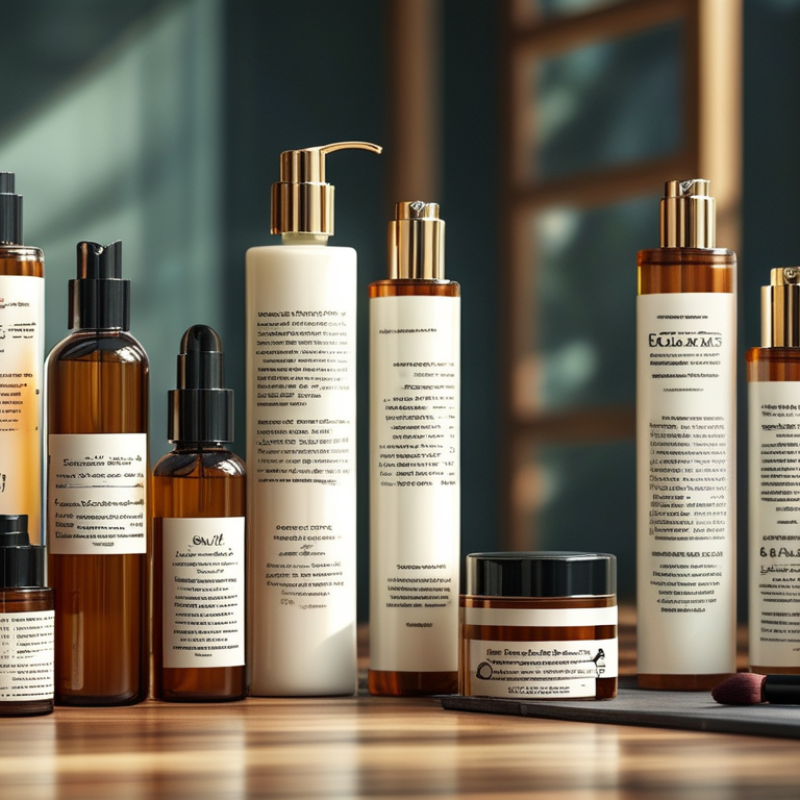
The skincare market is evolving rapidly. In 2022, the global skincare market was valued at over $145 billion, with a projected growth rate of 5.8% annually through 2030. This surge highlights the need for brands to understand consumer preferences. A recent report shows that natural and organic products are preferred by 70% of consumers. They seek transparency and clean ingredients.
Social media influences skincare choices significantly. According to a survey, 67% of consumers trust recommendations from influencers. However, trends can be fleeting. Brands must navigate this challenge. While some consumers are drawn to bold claims, others prefer simplicity and reliability in product formulations. A robust market strategy must balance innovation with clear value.
Consumers are well-informed today. They research ingredients and ethics. A report indicates that 80% of shoppers read labels or reviews before purchasing. Brands need to showcase authenticity and expertise. Misalignment with consumer values can lead to a negative perception. Failure to adapt could mean missing out on a loyal customer base. Brands must be prepared to rethink and refine their approach constantly.
| Tip Number | Tip | Description | Consumer Trend |
|---|---|---|---|
| 1 | Market Research | Conduct thorough research to understand current trends and consumer preferences. | Personalized skincare products |
| 2 | Ingredient Sourcing | Identify high-quality and safe ingredients that align with your brand values. | Natural and organic ingredients |
| 3 | Target Market | Define your target audience to tailor your product offerings effectively. | Millennials and Gen Z preferences |
| 4 | Brand Messaging | Develop clear and compelling messaging that resonates with your audience. | Sustainability and ethical practices |
| 5 | Regulatory Compliance | Ensure your products comply with the relevant regulations and standards. | Safe formulations |
| 6 | Packaging Design | Invest in attractive and functional packaging that enhances the user experience. | Eco-friendly packaging options |
| 7 | Marketing Strategy | Create an effective marketing plan to promote your products across various channels. | Digital marketing and social media |
| 8 | Consumer Feedback | Gather feedback from consumers to refine and improve your products. | Research and development driven by consumer insights |
| 9 | Product Testing | Conduct thorough testing to ensure product effectiveness and safety. | Clinical trials and consumer testing |
| 10 | Scaling Production | Plan for scalable production processes to meet market demand effectively. | Increasing consumer demand |
: Testing ensures safety and effectiveness. It helps identify potential issues early.
Keep detailed notes on each ingredient's effects. Record any reactions or changes observed.
A color change indicates an issue. Reevaluate your formulation and consider stability testing.
Recruit real users for testing. Be open to their criticism; it helps improve formulations.
Interaction builds trust and loyalty. It creates a community around your brand.
They can increase engagement significantly. Choose influencers who align with your brand values.
Don't ignore negative feedback. It often shows areas that require improvement.
No, it is ongoing. Every challenge offers a lesson for future formulations.
Use relatable content and high-quality visuals. Authentic storytelling is key.
It reveals how products perform over time. Store samples under various conditions for testing.
Creating a successful skincare product line involves a comprehensive understanding of the skincare market, including current trends and consumer preferences. To start, it is crucial to identify key ingredients that prioritize safety, efficacy, and comply with regulatory standards. Establishing a unique brand identity through compelling packaging, messaging, and positioning will help your products stand out in a crowded market.
Moreover, developing effective product formulations requires rigorous testing for stability and effectiveness. Finally, implementing strategic marketing approaches, particularly through digital channels, is essential for engaging your audience. By following these steps on how to create a skincare product line, you can build a brand that resonates with consumers and meets their skincare needs effectively.

 ROTT Beauty