What Makes a Skincare Product Effective in 2026 Top Trends?

Time:2026-06-19 Author:Charlotte
0%

As we move toward 2026, understanding what makes a skincare product effective becomes crucial. The skincare industry is rapidly evolving. Consumers increasingly seek solutions that address specific concerns, such as aging or hydration. The effectiveness of a product can significantly influence buying decisions.

Formulation is key. Ingredients must work synergistically to address skin issues. For example, hyaluronic acid provides hydration, while antioxidants protect against oxidative stress. However, not all products deliver on their promises. Some formulations rely on trendy ingredients without scientific backing. This lack of transparency can lead to consumer distrust.

Moreover, the rise of personalized skincare emphasizes individual needs. Customization in skincare can reveal what makes a skincare product effective for different skin types. Yet, the challenge lies in balancing innovation with efficacy. Are brands prioritizing marketing over genuine results? This evolving landscape prompts reflection on the definition of effectiveness. How do we discern truly beneficial products from mere fads? As we explore these trends, a critical eye is essential for informed choices.
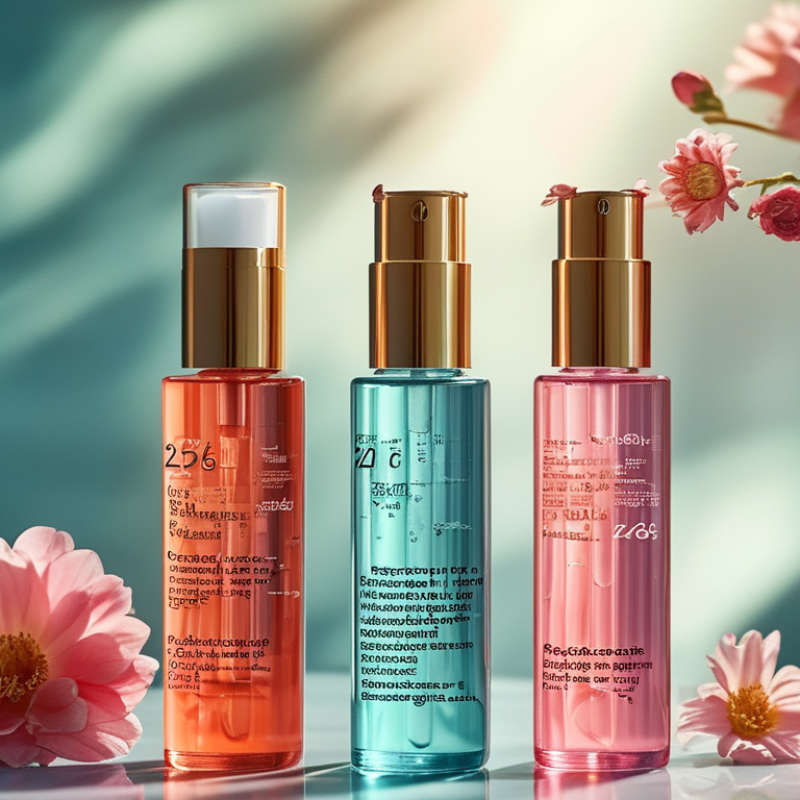
What Makes a Skincare Product Effective in 2026 Top Trends?

Key Ingredients That Enhance Skincare Product Efficacy in 2026

As we look to 2026, the landscape of skincare continues to evolve. Key ingredients are at the heart of effective products. One of the standout ingredients is hyaluronic acid, known for its hydrating properties. It draws moisture into the skin, creating a plump and youthful appearance. But many forget that not all formulations are created equally. The source and molecular weight of hyaluronic acid can vary, affecting overall efficacy.

Another noteworthy component is niacinamide. This powerful vitamin B3 derivative helps improve skin texture and reduces the appearance of pores. Studies show that regular use can lead to visible changes. However, the concentration used in formulations often varies greatly. It's essential for consumers to do their research and understand what level works best for their skin needs.

Peptides are also gaining traction in skincare discussions. These amino acid chains send signals to the skin to boost collagen production. Yet, the science can be complex. Not every peptide is the same, and some may not penetrate deeply enough. Therefore, users should approach products containing peptides with caution, ensuring proper delivery mechanisms are employed. Skincare in 2026 is about informed choices, understanding ingredients, and recognizing that efficacy is often nuanced.

Top Ingredients That Enhance Skincare Product Efficacy in 2026

The Role of Sustainable Sourcing in Effective Skincare Products

Sustainable sourcing is becoming essential in effective skincare products. In 2026, consumers are more informed about the origin of ingredients. Products made from ethically sourced materials often have a smaller environmental footprint. This awareness leads to a focus on transparency. Brands that disclose their supply chains tend to earn trust and loyalty. People want to know where their skincare comes from.


When choosing a skincare product, look for certifications. Labels indicating organic, fair trade, or environmentally friendly practices can guide your choices. Understand that not all labels are created equal. Some brands may exaggerate their sustainability efforts. Researching a company's practices can provide insights into their authenticity.


Many consumers overlook ingredient quality. Effective skincare should incorporate natural elements that nourish the skin. Ingredients sourced sustainably often retain their potency. However, the challenge is balancing efficacy with environmental impact. It’s worth considering the implications of over-harvesting certain ingredients. Aim for brands that prioritize regenerating ecosystems. Seek products that make a positive impact, not just on your skin, but also on the planet.

Technological Innovations Shaping the Future of Skincare Effectiveness

Technological advancements are reshaping skincare products in 2026. Smart formulations leverage artificial intelligence to analyze individual skin needs. Devices like facial recognition software help identify skin types more accurately. Customization is becoming the norm, allowing users to modify products in real-time. This shift ensures that products are more effective for diverse skin types and conditions.

Moreover, biotechnology plays a role in developing innovative ingredients. These are derived from natural sources and engineered for better absorption. However, there are concerns about the long-term effects of these ingredients. Transparency is essential, as consumers demand to know precisely what they apply to their skin. This pursuit of knowledge often leads to over-saturation of information, leaving users confused.

The rise of sustainable technology also impacts product effectiveness. Eco-friendly practices are now integrated into formulations, but the effectiveness of such products remains debated. While many claim they are as potent, evidence is still collecting. Users may need time to understand these evolutions in skincare. Balancing sustainability with efficacy remains a challenge in the ever-evolving beauty landscape.

What Makes a Skincare Product Effective in 2026 Top Trends?

Trends Key Innovations Expected Impact Consumer Benefits
Personalized Formulations AI-driven skin analysis Higher efficacy for individual skin types Tailored solutions promote better results
Sustainable Ingredients Biodegradable formulations Reduction in environmental impact Healthier choices for skin and planet
Microbiome Support Probiotic-infused products Balance skin flora for improved health Enhanced skin barrier and reduced irritation
Smart Packaging Sensors to monitor product freshness Ensures product potency Optimal user experience and effectiveness
Augmented Reality Virtual try-on for skincare routines Enhanced shopping experience Informed purchasing decisions

Consumer Preferences and Their Impact on Skincare Product Development

Consumer preferences are reshaping the skincare landscape in 2026. More individuals seek transparency in ingredients. They want products that are both effective and safe. This demand is driving brands to prioritize clean formulations and ethical sourcing. Consumers are more informed than ever, often researching each ingredient's benefits. They rely on expert opinions and verified research to make choices.

Sustainability has become crucial. Eco-friendly packaging and cruelty-free practices are now essential. Many consumers avoid products that harm the environment. They want brands to take responsibility for their impact. This trend pushes companies to innovate more sustainably. However, some manufacturers struggle to keep up with these expectations.

Moreover, personalization is a hot topic. Customized skincare solutions are in high demand. Many people want products tailored to their unique needs. While some brands excel at this, others face challenges in understanding these preferences. As consumer expectations evolve, brands must adapt quickly. This dynamic is vital for success in the saturated market.

Emerging Trends in Personalized Skincare Solutions for 2026

The rise of personalized skincare solutions in 2026 reveals a shift in consumer preferences. People are increasingly looking for products that cater specifically to their unique skin types and concerns. This trend moves beyond one-size-fits-all solutions. It emphasizes individual skin analysis and tailored formulations.

Emerging technologies are playing a key role in this transformation. Tools like AI-driven skin assessments provide consumers with data-driven recommendations. These personalized products are designed to address issues such as dryness, acne, or aging. Yet, the challenge lies in the science behind skin diagnostics. Not all assessments are equally reliable or comprehensive. Consumers must remain vigilant and skeptical about the claims made.

Moreover, ingredients are becoming more customizable. Some consumers want to avoid harsh chemicals, while others seek specific active ingredients. This choice reflects a growing awareness of what we put on our skin. However, navigating this myriad of options can be overwhelming. As brands innovate, individuals must ensure they understand their unique needs. Ultimately, the quest for effective skincare remains a complex journey of experimentation and learning.

FAQS

: What is the main function of hyaluronic acid in skincare?

: Hyaluronic acid hydrates the skin, making it appear plump and youthful.

Why should consumers be cautious about hyaluronic acid products?

Not all formulations are equal; source and molecular weight affect their effectiveness.

How does niacinamide benefit the skin?

Niacinamide improves skin texture and reduces the appearance of pores.

What should I consider when choosing niacinamide products?

Check the concentration; it varies widely among different formulations.

What role do peptides play in skincare?

Peptides boost collagen production, helping with skin firmness and elasticity.

Are all peptide products effective?

No, some may not penetrate deeply enough, limiting their performance.

Why is sustainable sourcing important in skincare?

It reduces environmental impact and enhances trust through ingredient transparency.

How can I identify genuinely sustainable products?

Look for credible certifications like organic or fair trade, but investigate claims.

What is a common oversight when selecting skincare products?

Many overlook ingredient quality and the importance of natural elements.

How can over-harvesting affect skincare ingredients?

It can compromise efficacy, affecting both skin health and the environment.

Conclusion

In 2026, understanding what makes a skincare product effective involves several key factors, including the use of innovative ingredients and sustainable sourcing practices. Key ingredients that enhance efficacy, such as advanced peptides and botanicals, are at the forefront of formulation strategies, addressing specific skin concerns. Additionally, the trend towards sustainable sourcing not only improves product effectiveness but also resonates with consumers' increasing demand for environmentally friendly solutions.

Technological innovations, such as AI-driven personalization in skincare, are shaping product development and tailoring treatments to individual needs. Consumer preferences play a crucial role in this evolution, driving brands to adopt more transparent and sustainable practices. As personalized skincare solutions continue to emerge, they further underscore the significance of understanding what makes a skincare product effective in meeting diverse skincare needs and preferences.

Charlotte

Charlotte

Charlotte is a seasoned marketing professional with a deep understanding of the company's portfolio and a passion for elevating its presence in the market. With a keen eye for detail and a commitment to excellence, she ensures that our professional blog is regularly updated with insightful articles......