China Best Sustainable Skincare Products How to Develop Them

Time:2026-09-24 Author:Sophia
0%

Sustainable skincare in China is moving beyond green labels. Shoppers are asking what a bottle contains, where its ingredients come from, and what happens after use. A plant-based formula is not automatically sustainable. Water use, farming methods, processing, packaging, and transport all matter. Small details count. A refill pouch may use less material, yet its full impact depends on how it is made and disposed of. Brands need evidence, not just appealing claims.

This guide explores how to develop sustainable skincare products for the Chinese market, from early research to product testing and packaging choices. It considers ingredient traceability, formulation stability, supplier communication, and practical packaging options such as recyclable containers or refill systems. These choices involve trade-offs. Recycled materials can vary in quality, while locally sourced ingredients still require careful sourcing checks. There is no perfect formula. Some decisions may need revision after testing with real users and reviewing supplier data. Clear records and modest, verifiable claims help build trust more reliably than broad promises. For brands, the challenge is not simply to appear greener, but to create products that work well and make their environmental choices understandable.
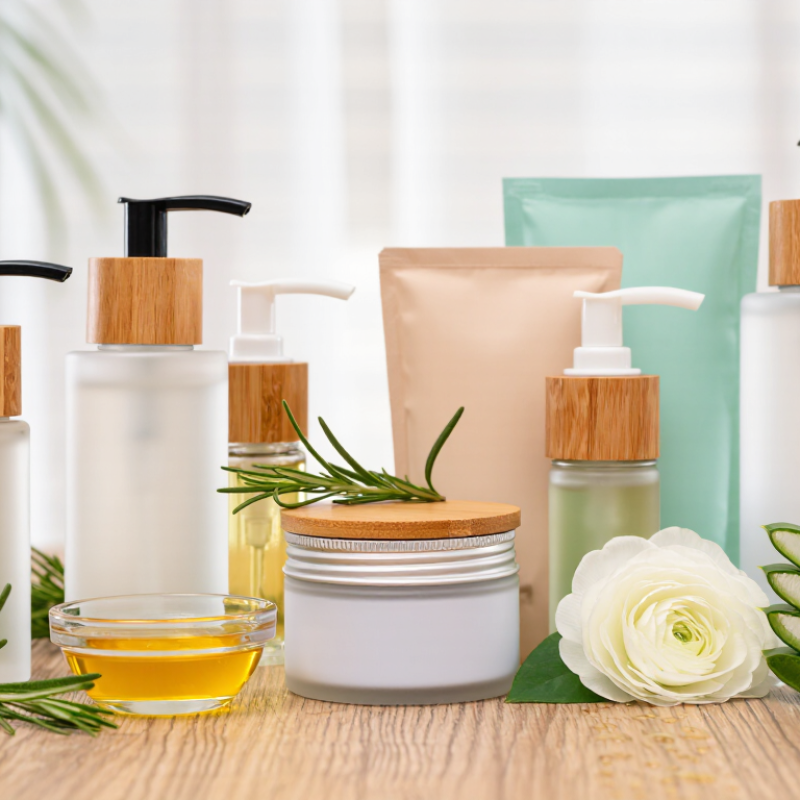
China Best Sustainable Skincare Products How to Develop Them

What Defines Sustainable Skincare Products in China

In China, sustainable skincare means more than bamboo jars or green labels. It covers ingredients, production, packaging, distribution, and disposal. A credible product should reduce harm across its whole life cycle, not only look environmentally friendly.

Practical development begins with measurable choices. Formulators can select responsibly sourced ingredients with clear origin records. They can reduce unnecessary water, energy, and processing steps. Factories should document wastewater treatment, energy use, and batch quality. Packaging also matters. Lightweight containers, recycled materials, and refill systems may lower waste. However, refill designs must remain hygienic and easy to use. Otherwise, consumers may abandon them.

Show the evidence.

Reliable claims need supporting records, not attractive wording. Product teams should test stability, safety, compatibility, and preservation under realistic storage conditions. They should also follow applicable Chinese regulations and explain limitations clearly. “Natural” does not automatically mean sustainable. A plant ingredient can still require intensive farming or long-distance transport. A glass jar may feel premium, yet its weight can increase shipping emissions. Sustainable skincare is therefore a balance, not a perfect formula. Developers should review supplier data regularly and improve weak areas openly. Some choices will remain imperfect. That honesty may build more trust than exaggerated environmental promises.

How to Identify Consumer Needs and Product Opportunities

Developing sustainable skincare products in China starts with listening, not choosing attractive packaging. Ask consumers what bothers them during daily routines: tightness after cleansing, greasy sunscreen, or confusing ingredient labels. Short interviews and product diaries can reveal when these problems occur and what shoppers already use. Look for repeated details, such as a cream that pills under makeup or a bottle that is hard to empty. Small frustrations matter.

Then compare needs across skin types, climates, budgets, and shopping channels. A lightweight moisturizer may suit humid summers, while dry northern winters create demand for richer textures. Test early formulas with a varied group, and record comfort, scent, absorption, and irritation reports. Be specific. A “natural” claim alone does not prove a product is gentle or environmentally responsible. Ingredient sourcing, refill practicality, packaging durability, and clear disposal guidance all need scrutiny. Local recycling access can differ, so avoid promises that depend on ideal conditions.

Product opportunities emerge where a real need meets a feasible, lower-impact design. For example, concentrated cleansing products may reduce transport weight, but only if users can dissolve and dose them easily. Refillable packaging sounds useful; yet a cumbersome refill can become wasteful in practice. That is worth questioning. Share testing limits honestly, and revise the concept when feedback conflicts with the original idea. A product people finish and repurchase may be more sustainable than one with impressive claims but poor daily usability.

Developing Sustainable Skincare: Consumer Signals and Product Opportunities

Global consumer research points to growing interest in sustainability—an opportunity to test needs such as lower-impact packaging, responsibly sourced ingredients, and clear environmental claims with skincare shoppers.

Source: PwC, Voice of the Consumer Survey 2024. Results cover consumers generally, not skincare buyers specifically; validate product concepts with target customers.

How to Select Responsible Ingredients and Suppliers

China Best Sustainable Skincare Products: How to Develop Them

Responsible skincare begins with ingredient evidence, not attractive sustainability claims. Select plant oils, minerals, and biodegradable ingredients with clear origin records. Ask suppliers for safety data, allergen information, processing methods, and traceability documents. A local supplier may reduce transport distance, but distance alone does not prove lower environmental impact. Energy use, farming methods, water consumption, and packaging should also be reviewed. I have found that small suppliers can offer useful transparency, yet their documentation may be incomplete. That deserves careful follow-up.

Tips: Request batch records and independent test results. Check whether suppliers measure carbon, water, and waste. Prefer realistic claims, such as “recyclable where facilities exist.” Avoid vague words like “green” without supporting evidence. Speak directly with technical staff when possible. Their answers often reveal more than a polished brochure.

Build a supplier scorecard before product development begins. Include ingredient origin, worker protection, quality consistency, environmental controls, and corrective-action procedures. Responsible partners should explain what happens when a batch fails. They should also accept regular audits and provide updated certificates. However, certificates are not perfect proof. They can expire, cover only one facility, or miss complex subcontracting. Keep reviewing suppliers after approval. Record changes in formulas, factories, and raw material sources. A sustainable product is not finished when the sample looks elegant. It must remain safe, traceable, and practical during full-scale production.

How to Formulate and Manufacture Sustainable Skincare

Sustainable skincare begins with a practical formula, not a marketing claim. Choose responsibly sourced ingredients with clear supplier records and reliable safety data. Favor biodegradable emollients, concentrated formats, and low-water formulas when performance remains stable. Every ingredient must support skin comfort, preservation, and regulatory compliance. A pleasant texture still matters. Consumers will not use a product they dislike.

Tips: Start with a small laboratory batch. Measure water, energy, and material waste during each trial. Test pH, viscosity, stability, and microbial protection before production. Use packaging that protects the formula without excessive layers. Refill systems can help, but only when cleaning and transport are realistic.

Manufacturing decisions shape sustainability as much as the ingredient list. Use efficient mixing temperatures and prevent unnecessary heating. Document batch conditions, cleaning procedures, and raw material checks under consistent quality systems.

Stability testing should include heat, cold, light, and repeated opening. Real-world use can expose weaknesses that laboratory shelves miss. No formula is perfect.

A pump may reduce contamination, yet it can complicate recycling. A glass jar may feel durable, but its transport footprint can be higher. Review these trade-offs with lifecycle data, supplier evidence, and honest performance testing.

How to Test, Certify, and Package Products Responsibly

Developing sustainable skincare in China takes more than choosing plant-based ingredients. Each formula needs practical testing under conditions that resemble real use. A cream may sit in a warm bathroom, while a cleanser faces repeated contact with water. Test stability, texture, scent, and packaging compatibility over time. Record batch details and test methods so decisions can be checked later. Small changes matter.

Certification can help verify specific claims, but it does not replace careful evidence. Review what a certificate actually covers, such as ingredients, manufacturing, or packaging. Keep supplier documents, test results, and claim wording together. If a product is described as biodegradable, define what that means and under which conditions. Vague language can mislead customers, even when the intention is good. Ask an independent qualified assessor to review claims before they appear on labels or product pages.

Packaging deserves the same scrutiny as the formula. Compare refillable containers, recycled content, and lighter-weight materials, then test them for leaks, breakage, and product protection. A beautiful jar is not sustainable if customers discard it after one use. Yet refill systems can add transport and cleaning impacts; the answer is not always obvious. Measure material use per application, and revise the design when results disappoint. There may still be compromises. Be candid about them.

FAQS

What makes skincare sustainable in China?

Sustainability covers ingredients, production, packaging, transport, and disposal. Green labels alone prove very little.

How can consumers check environmental claims?

Look for ingredient origins, factory energy records, wastewater treatment, and packaging information. Ask for evidence.

Is a natural ingredient automatically sustainable?

No. Intensive farming and long-distance transport can increase environmental harm. Natural does not mean low-impact.

Are glass containers always an environmentally friendly choice?

Not necessarily. Glass feels durable, but its weight can increase transport emissions. The whole life cycle matters.

What should refill packaging do well?

It should stay hygienic, simple, and easy to empty. Difficult refills may become extra waste.

How can product teams identify real consumer needs?

They can use interviews, product diaries, and formula testing. Small problems matter, such as pilling makeup or greasy sunscreen.

Should sustainable skincare work for every climate?

Not always. Humid summers may need light textures, while dry northern winters may need richer formulas.

Can concentrated skincare reduce environmental impact?

It may reduce transport weight. Users must dissolve and measure it easily, or the idea may fail.

What testing should sustainable skincare undergo?

Teams should test stability, safety, preservation, and packaging compatibility. Testing should reflect realistic storage conditions.

Is a lower-impact design always the most sustainable option?

No. A product people finish and repurchase may create less waste than an impressive, unusable concept. Some choices remain imperfect.

Conclusion

Developing sustainable skincare products in China begins with understanding what sustainability means in the local market: products should balance consumer expectations for performance, safety, transparency, and responsible environmental practices. Researching consumer needs can reveal opportunities in areas such as skin concerns, preferred textures, ingredient preferences, and packaging convenience. These insights help teams define a clear product purpose and make practical choices throughout development.

To determine how to develop sustainable skincare products, companies can prioritize responsibly sourced ingredients and suppliers that provide reliable information about origin and production practices. Formulation and manufacturing should aim to reduce unnecessary waste while maintaining product quality and stability. Before launch, products should undergo appropriate safety, stability, and performance testing, with any sustainability claims supported by credible evidence. Responsible packaging choices, such as recyclable materials or designs that use less material, can further reduce environmental impact. Together, these steps create skincare products that respond to consumer needs while taking a more considered approach to sourcing, production, testing, and packaging.

Sophia

Sophia

Sophia is a dedicated marketing professional with an exceptional depth of knowledge about her company's products and services. With a keen understanding of market trends and customer needs, she crafts insightful blog posts that not only inform but also engage readers, enriching the company’s online......