How to Choose Skincare Products for Your Skin Type?

Time:2026-11-01 Author:Henry
0%

Skincare shelves can make a simple decision feel like a chemistry exam. Foaming cleansers, rich creams, and acids all promise visible results. Yet a product that suits a friend may leave your cheeks tight or your forehead shiny. Learning how to choose skincare products for your skin type starts with noticing those everyday signs—not trusting a label alone.

The market is expanding quickly. McKinsey’s 2023 State of Beauty report projected that the global beauty market could reach about $580 billion by 2027. More choices do not necessarily mean better choices. The American Academy of Dermatology (AAD) advises matching products to skin concerns and notes that even oily skin needs moisturizer. A practical check is simple: observe how your skin feels after cleansing, and whether dryness or shine returns during the day. Small clues count.

There are limits to self-assessment. Weather, medication, age, and irritation can change how skin behaves, so “sensitive” or “combination” may not tell the whole story. The AAD recommends testing a new product on a small area twice daily for seven to ten days before wider use. That takes patience. It is also easy to blame a product when several new items were started together; that makes the cause harder to identify. This guide will explain how to recognize common skin types, compare ingredient claims, and build a routine carefully. Persistent burning, swelling, or a rash deserves professional advice, not another product experiment.
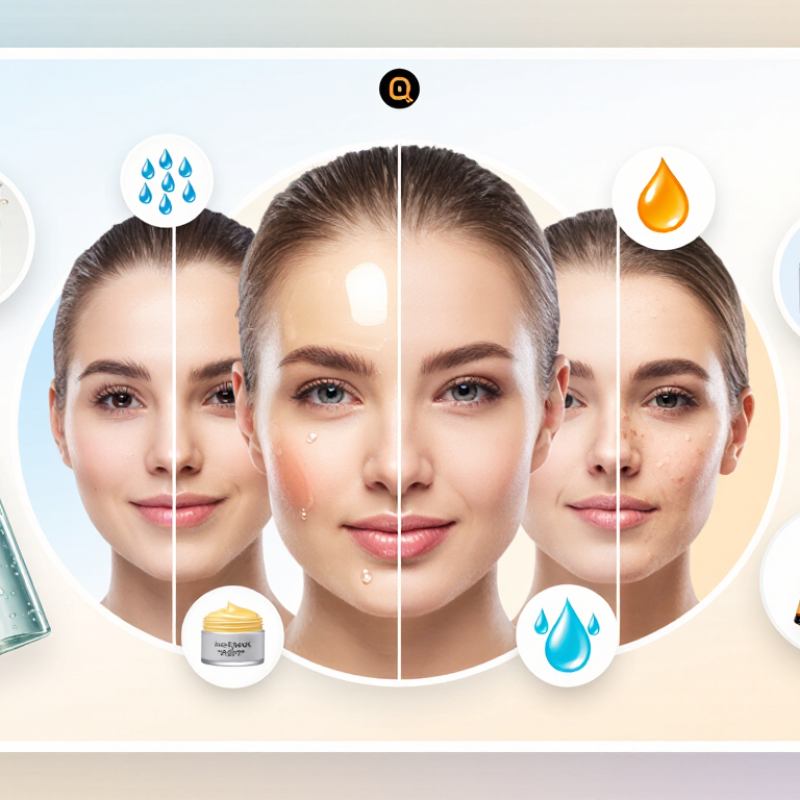
How to Choose Skincare Products for Your Skin Type?

Identify Your Skin Type and Its Key Characteristics

Skin type is best judged by how your face feels and looks after cleansing, not by one breakout. Wash with a gentle cleanser, pat dry, then wait about 30 minutes without applying products. Tightness or flaking may suggest dry skin. A persistent shine, especially across the forehead, nose, and chin, can indicate oily skin. If your cheeks feel dry while your T-zone shines, combination skin may be a better fit. Comfortable skin with few noticeable changes is often described as normal.

Patterns matter more. Note where pores look larger, whether makeup separates around the nose, and whether cheeks sting after washing. Sensitivity is a response pattern, not a separate oil level; redness, burning, or itching can occur with different skin types. A 2019 international survey of more than 10,000 people, published in Acta Dermato-Venereologica, found that about 60% of women and 40% of men reported sensitive skin. These were self-reported experiences, not clinical diagnoses.

One day is only a clue, not a verdict. Weather, hormones, medication, and a recently changed routine can shift how skin feels. The American Academy of Dermatology estimates that acne affects up to 50 million people in the United States each year, but blemishes alone do not prove that skin is oily. Keep a simple two-week note of shine, tightness, flakes, and irritation; persistent or painful symptoms deserve assessment by a dermatologist.

Assess Your Skin Concerns and Daily Conditions

Assess Your Skin Concerns and Daily Conditions

Your skin can feel oily at midday yet tight after an evening wash. Notice when changes happen, not just how your skin looks once. After cleansing, wait briefly before applying products and note any tightness, shine, flaking, or stinging. Also consider your routine: dry indoor heating, cold wind, frequent exercise, and long hours outdoors can affect comfort. These clues may matter more than a fixed skin-type label. Skin is not always consistent.

Tips: Keep a simple one-week note of products, weather, and reactions. Change one product at a time. If your notes are messy, that is normal; patterns take time to spot.

Match products to the concern you can actually observe. For dryness, a fragrance-free moisturizer may help support the skin barrier; for oiliness, try a lighter texture. If you are concerned about clogged pores, introduce one product gradually and follow its directions. Patch-test new products on a small area first, while remembering this cannot guarantee a reaction-free result. Give a routine time, but stop using a product that causes persistent burning or a rash. Severe, painful, or ongoing symptoms deserve advice from a qualified dermatologist. It is easy to blame a product when weather, stress, or several routine changes may also play a part.

Compare Product Ingredients and Formulations

Compare the ingredient list with the texture; a “for oily skin” label alone tells you little. The American Academy of Dermatology estimates that acne affects up to 50 million Americans annually, so people prone to breakouts may prefer lightweight, non-comedogenic lotions or gels. These labels are useful clues, not guarantees. For dry skin, look for humectants such as glycerin, which attract water, alongside emollients that soften rough patches. A cream containing both may feel more comfortable than a watery gel, especially across tight cheeks.

Sensitive skin often benefits from simpler, fragrance-free formulas, though even familiar ingredients can trigger reactions. “Unscented” is not always the same as fragrance-free. Check the ingredient list for potential irritants, and introduce one new product at a time. Small changes matter. If you compare two moisturizers, notice how they feel after washing and again several hours later: does the skin stay comfortable, or turn shiny and tight? I find ingredient lists imperfect guides; they rarely explain how a formula will feel on your face. Patch-test a new product on a small area, and ask a dermatologist about persistent irritation.

How to Choose Skincare Products for Your Skin Type

Compare the typical pH ranges of common skincare formulations. Product ranges vary by formula; pH alone does not determine whether a product suits your skin.

Skin surface pH is typically around 4.5–5.5. If your skin is dry or sensitive, consider a gentle syndet cleanser and a well-tolerated moisturizer. Oily or acne-prone skin may benefit from carefully selected exfoliating products, while low-pH acid formulas can irritate some skin types. Check the full ingredient list and introduce active products gradually.

Choose Suitable Products for Each Skincare Step

Skin type can guide product choices, but it is only a starting point. Dry skin may feel tight after washing, while oily skin often looks shiny by midday. Sensitive skin may sting or redden easily. Combination skin can feel dry on the cheeks and oily around the nose. These patterns can shift with weather, hormones, or medication. Skin labels are imperfect shortcuts, not diagnoses.

Choose a gentle cleanser that rinses clean without leaving your face tight. A fragrance-free, creamy cleanser may suit dry or sensitive skin; oily skin may prefer a light gel. After cleansing, apply a moisturizer while skin is slightly damp. Look for a richer cream if your skin feels rough, or a lighter lotion if heavy textures feel uncomfortable. Keep it simple. In the morning, finish with broad-spectrum sunscreen, following the directions on its label. Reapply as directed, especially after swimming or sweating.

Introduce one new product at a time, and test it on a small area before regular use. This makes irritation easier to trace, though a patch test cannot guarantee a reaction-free result. Ingredients such as retinoids or exfoliating acids can irritate some people, so start cautiously and avoid layering several new actives at once. More steps do not always mean better care. If irritation persists, or you have painful acne or a worsening rash, seek advice from a qualified dermatologist. Skin can be unpredictable, and even a well-chosen routine may need adjusting.

Patch Test New Products and Adjust Your Routine

Before adding a new cleanser, serum, or moisturizer, test it on a small patch of skin. The inner forearm or area behind the ear can work, unless the product instructions say otherwise. Apply it as directed, then watch for redness, itching, swelling, or burning over the next day or two. Some reactions take longer to appear. A patch test helps, but it cannot guarantee your face will tolerate the product.

Introduce one new product at a time. Keep the rest of your routine steady, including your usual cleanser and moisturizer, so changes are easier to notice. It can be tempting to add several products when skin feels dry or oily. That makes it harder to identify what caused a reaction. Give your skin time to respond, and adjust frequency or amount according to the product directions. If irritation develops, stop using the product and return to a simple routine. Persistent or severe symptoms deserve advice from a qualified healthcare professional. Even careful testing is not perfect; skin can react differently with weather, stress, or changes in other products.

How to Choose Skincare Products for Your Skin Type? — Patch Test New Products and Adjust Your Routine
Skin Type Common Signs Product Choices to Consider Routine Adjustment Patch-Test Focus
Dry May feel tight or rough, especially after washing; can show flaking. Try a gentle, fragrance-free cleanser and a cream moisturizer with ingredients such as glycerin or ceramides. Use lukewarm rather than hot water, moisturize after cleansing, and apply broad-spectrum SPF 30 or higher during the day. Test new moisturizers and cleansers separately. Stop using a product if it causes persistent burning, itching, swelling, or a rash.
Oily Often develops visible shine or a greasy feel; pores may appear more noticeable. Consider a mild cleanser and a lightweight, non-comedogenic moisturizer. “Oil-free” or “non-comedogenic” labels may be useful starting points. Avoid frequent scrubbing or harsh cleansing, which can irritate skin. Keep moisturizing and use daily broad-spectrum SPF 30 or higher. Introduce one new leave-on product at a time and watch for irritation or increased clogged pores over the following days.
Combination Some areas, commonly the forehead, nose, and chin, feel oilier than the cheeks. Choose gentle basics, then use lighter textures on oilier areas and richer moisturizer on dry areas if needed. Adjust application by area rather than treating the whole face as one skin type. Keep sunscreen use consistent. Test products on a small, discreet area first; if reactions differ by area, avoid applying the product where irritation occurs.
Sensitive or easily irritated May sting, burn, itch, or become red after using certain products. Sensitivity can occur with any skin type. Start with a short ingredient list and fragrance-free products. “Unscented” does not always mean fragrance-free. Keep the routine simple while the skin is irritated. Avoid adding several new products or strong exfoliating ingredients at once. Use a small test area and follow the product directions. A home patch test cannot guarantee that a product will never cause a reaction.
Normal or balanced Usually feels comfortable, without persistent tightness or excessive shine. Choose gentle cleanser, moisturizer, and broad-spectrum sunscreen suited to personal preference and comfort. Maintain a consistent basic routine; add targeted products only when there is a clear need. Patch-test new products, especially active treatments, and introduce them one at a time so reactions are easier to identify.

Patch-test method: Apply a small amount of a new product to a discreet test area as directed, typically twice daily for 7–10 days. For rinse-off products, follow the label’s use and rinsing directions. If a reaction develops, stop using the product. Seek professional advice for severe or persistent symptoms.

FAQS

How can I tell what my skin needs?

Notice tightness, shine, flaking, or stinging after cleansing. Skin shifts. Weather and daily routines can change how it feels.

What should I track during the week?

Note your products, the weather, and any reactions. A messy notebook is fine; patterns may take time to appear.

How do I choose a cleanser?

Choose one that rinses clean without leaving your face tight. A creamy, fragrance-free cleanser may feel comfortable on dry or sensitive skin.

When should I apply moisturizer?

Apply it while your skin is slightly damp. Try a richer cream for roughness or a lighter lotion if heavy textures feel uncomfortable.

Do I need sunscreen every morning?

Broad-spectrum sunscreen is recommended in the morning. Follow its label, and reapply as directed, especially after swimming or sweating.

How should I try a new product?

Introduce one product at a time and test it on a small area first. Patch tests help, but cannot guarantee no reaction.

Can active ingredients irritate my skin?

Yes. Retinoids and exfoliating acids irritate some people. Start cautiously, and avoid adding several new active products at once.

When should I seek professional advice?

Ask a qualified dermatologist about severe, painful, or ongoing symptoms. Stop using a product that causes persistent burning or a rash. It may not be the only cause.

Conclusion

Learning how to choose skincare products for your skin type starts with noticing how your skin behaves. Consider whether it tends to feel dry, oily, balanced, or easily irritated, and pay attention to changes caused by weather, stress, or your daily environment. Then identify your main concerns, such as dryness, excess shine, or uneven texture, so your choices address your needs rather than follow a one-size-fits-all routine.

Compare ingredient lists and formulations, keeping your skin’s comfort and preferences in mind. Choose suitable products for each step, from cleansing and moisturizing to sun protection, without adding more than you need. When trying something new, apply a small amount to a limited area first and watch for irritation. Adjust your routine gradually, giving your skin time to respond before deciding whether a product is a good fit.

Henry

Henry

Henry is a dedicated marketing professional with a profound expertise in the company's offerings. With years of experience in the industry, he possesses an impressive understanding of the market dynamics and consumer behaviors that drive success. Henry is committed to sharing his insights through......