The skincare industry is booming, with global market revenues expected to reach over $180 billion by 2025. As consumers become more discerning, understanding what factors affect skincare product quality is crucial. Quality impacts effectiveness and safety, influencing consumer trust and brand loyalty.
Numerous elements define product quality. Ingredients play a central role. According to a 2021 report by Grand View Research, natural ingredients are gaining significant traction. Consumers increasingly prefer products free from synthetic chemicals. However, the sourcing and processing of natural ingredients can vary greatly, leading to inconsistencies.
Another vital factor is formulation design. Many brands emphasize research and development to ensure products deliver results. Nevertheless, the lack of regulatory standards in some regions often leads to confusion. Consumers often face challenges in determining which products are truly effective. Transparency in ingredient listings is essential yet frequently inadequate. These complexities highlight the need for industry standards, greater education, and consumer awareness in navigating the skincare landscape.
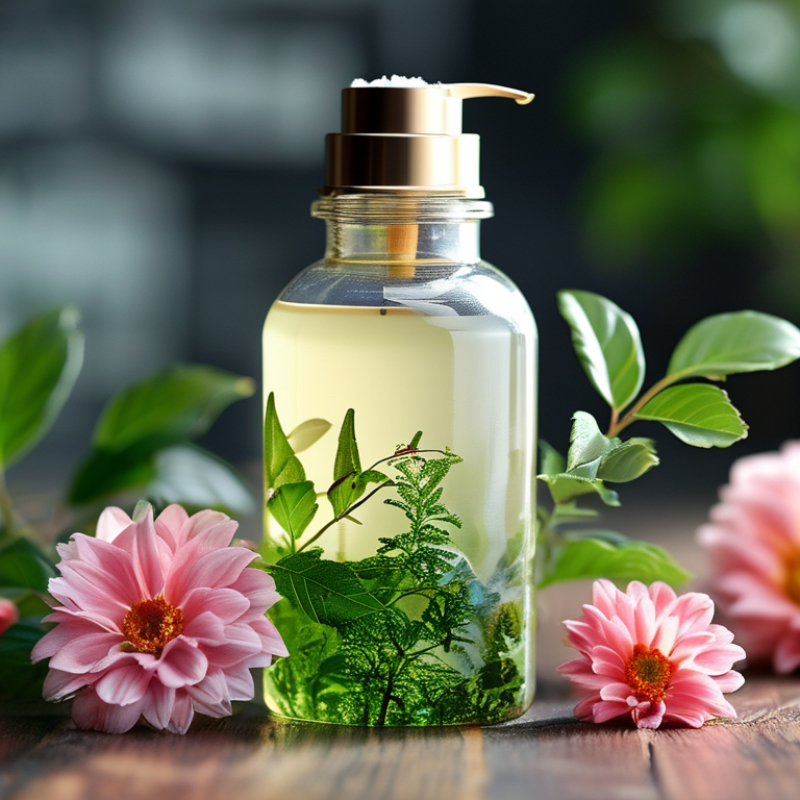
The quality of skincare products is significantly influenced by the raw materials used in their formulation. High-quality ingredients can enhance effectiveness, while subpar or synthetic compounds may lead to skin irritation or allergic reactions. Knowing the sources of these ingredients helps consumers make informed choices.
Natural ingredients like aloe vera or shea butter are often praised for their soothing properties. However, not all natural ingredients guarantee safety or efficacy. Some may cause reactions due to contaminants or improper sourcing. This reflects the importance of understanding the origin and processing of each component.
Tip: Always check for certifications to ensure ingredient quality.
Synthetic ingredients can provide stability and consistency. But, they can also have negative effects on certain skin types. A careful balance between natural and synthetic components is crucial for product safety and effectiveness.
Tip: Patch test new products before full application.
Ultimately, it is important to scrutinize the ingredient list on product labels. The journey of these materials from raw substances to final formulation affects skincare quality. Understanding this can empower consumers to choose wisely.
Manufacturing processes play a crucial role in determining the quality of skincare products. Studies indicate that nearly 70% of product efficacy is linked to the precision of the formulation and production techniques. A well-controlled manufacturing environment can significantly reduce contaminants and maintain ingredient stability. For instance, temperature fluctuations during production can lead to degraded active ingredients, ultimately affecting user outcomes.
Moreover, the choice of ingredients impacts product quality. According to the Skin Care Institute, products utilizing high-purity raw materials see a 50% increase in consumer satisfaction. Yet, many manufacturers take shortcuts to reduce costs, which may compromise the end product. Inefficiencies in the mixing and blending processes can leave active ingredients unevenly distributed, risking inconsistent application and effectiveness.
Addressing these challenges requires ongoing investment in technology and staff training. Reports suggest that 40% of manufacturing facilities do not regularly update their equipment. This reliance on outdated practices may result in products that do not meet consumer expectations. The skincare industry must prioritize rigorous quality controls and uphold high standards throughout the manufacturing lifecycle to ensure optimal results for users.
| Factor | Description | Influence on Quality |
|---|---|---|
| Raw Materials | The quality and source of ingredients used in formulations. | Direct impact on product effectiveness and safety. |
| Manufacturing Methods | Techniques used in product formulation and processing. | Can enhance or diminish active ingredient potency. |
| Quality Control | Procedures to ensure products meet specific standards. | Essential for maintaining consistency and safety. |
| Packaging | Materials and methods used to contain the product. | Influences product stability and user experience. |
| Regulatory Compliance | Adherence to national and international standards. | Ensures product safety and legitimacy in the market. |
| Environmental Conditions | Factors like temperature and humidity during production. | Can affect ingredient stability and product efficacy. |
| Formulation Innovation | Development of new and effective formulas. | Enhances competitive edge and consumer satisfaction. |
| Research & Development | Investment in scientific studies to improve products. | Leads to better efficacy and innovative solutions. |
| Market Trends | Shifts in consumer preferences and demands. | Dictates product relevance and potential success. |
China's skincare market is rapidly evolving, yet stringent regulatory standards play a crucial role in determining product quality. The National Medical Products Administration (NMPA) oversees these regulations, ensuring that imported and domestic products meet safety and efficacy benchmarks. Recent reports indicate that over 80% of consumers prioritize safety certifications when choosing skincare products, reflecting a collective demand for reliable quality.
In 2022, the market for skincare products in China reached $25 billion, underscoring the necessity for brands to comply with comprehensive testing guidelines. Products undergo rigorous assessments, including toxicology testing and stability evaluations, before progressing to the retail phase. Understanding these standards can be daunting, but staying informed is essential for both brands and consumers.
Tip: Always check for NMPA registration numbers on packaging.
As the industry continues to mature, it's evident that transparency is vital. Many consumers still find it challenging to navigate the complex regulations. This gap highlights the need for more educational resources. Quality assurance cannot merely rely on certifications; brands must also communicate these measures effectively.
Tip: Engage brands directly about their safety protocols.
Striving for excellence is an ongoing process. While regulatory frameworks are in place, improvement is essential. A commitment to quality must come from both regulators and manufacturers. Continuous adaptation and consumer feedback will drive the industry toward higher standards.
This chart illustrates the ten primary factors that influence the quality of skincare products in China, based on regulatory standards and industry practices.
Consumer preferences in skincare are rapidly evolving. Many individuals today prioritize natural and organic ingredients. This trend reflects a larger desire for transparency and sustainability in product sourcing. Consumers often research ingredients before making a purchase. They seek products that promote skin health without harmful chemicals.
Market trends reveal a shift towards personalized skincare solutions. Customization options attract a growing audience. People want products tailored to their unique skin types and concerns. This demand for individuality challenges brands to innovate continually. However, it can also create confusion. Not every personalized claim is backed by science.
Moreover, many consumers are influenced by social media trends. Influencers play a significant role in shaping beauty standards. This can lead to unrealistic expectations. The pressure to follow every new trend may overwhelm some. Not all popular products live up to their hype. As consumers navigate the skincare landscape, reflection on personal needs remains key.
Sustainability practices are increasingly shaping the quality of skincare products. Consumers now prefer formulations that are environmentally friendly. This shift places pressure on brands to adopt better sourcing practices. Ethical ingredient sourcing ensures that materials are not only safe but also support sustainable agriculture. By prioritizing eco-friendly components, brands can enhance product quality.
Packaging plays a key role too. Many companies are turning to recyclable materials. This reduces waste and lowers the carbon footprint. However, some packaging still fails to meet these standards, raising concerns among eco-conscious consumers. Transparency about sourcing and materials is vital for building trust.
Another aspect is the use of natural preservatives. While they often improve product integrity, the efficacy can vary. Brands should continually test and validate their processes. This need for improvement can sometimes result in inconsistent product experiences. Striking a balance between sustainability and quality remains a challenge for many in the industry.
: Manufacturing processes greatly influence product efficacy. Up to 70% of effectiveness relates to formulation precision and production techniques.
Temperature fluctuations can degrade active ingredients, leading to compromised user outcomes and product effectiveness.
High-purity raw materials can boost consumer satisfaction by 50%. Poor material quality results in subpar products.
Many manufacturers reduce costs by using inferior materials or inefficient processes, risking inconsistent application and effectiveness.
Investing in modern technology and staff training is essential. Many facilities still use outdated equipment, affecting product quality.
Consumers favor eco-friendly formulations, pressuring brands to ensure safe and sustainable ingredient sourcing.
While many brands use recyclable materials, some packaging fails to meet eco-standards, challenging trust among consumers.
Natural preservatives can enhance product integrity, but their effectiveness can vary, leading to inconsistent user experiences.
Many brands struggle to meet sustainability goals while ensuring product quality, often leading to imperfect outcomes.
Transparency about sourcing and materials is vital. It helps create trust among eco-conscious consumers seeking quality products.
The quality of skincare products in China is influenced by several key factors that collectively shape the efficacy and safety of these cosmetics. One of the primary determinants is the selection of raw materials, as the purity and efficacy of ingredients directly affect product performance. Additionally, the manufacturing processes employed can significantly impact the final product quality, ensuring consistency and stability in formulations.
Regulatory standards in China also play a crucial role, as they establish guidelines for safety and quality assurance in skincare products. Consumer preferences and market trends further dictate the direction of product development, as manufacturers strive to meet the evolving demands of consumers. Lastly, sustainability practices are increasingly influencing skincare product quality, with a focus on eco-friendly sourcing and production methods. Understanding what factors affect skincare product quality is essential for both consumers and producers in navigating this dynamic market landscape.