In 2026, skincare demand will be shaped by more than viral ingredients or attractive packaging. Consumers are examining labels, clinical evidence, sustainability claims, and visible results. They want products that fit real routines, not crowded bathroom shelves. This changing behavior raises an important question: what drives consumer demand for skincare products?
Dr. Barbara Sturm, a physician and skincare founder, has often emphasized, “Healthy skin is beautiful skin.” Her statement reflects a wider market shift toward barrier protection, hydration, prevention, and long-term skin health. Shoppers increasingly compare ingredient percentages, dermatologist testing, refill systems, and reviews before purchasing. A serum may promise radiance, but consumers now want to understand its safety, purpose, and expected timeframe.
Trust matters more than novelty.
The strongest 2026 trends may include personalized routines, microbiome-friendly formulas, multifunctional products, and transparent clinical communication. Consumers also expect brands to acknowledge different skin tones, ages, sensitivities, and environmental conditions. A moisturizer designed for dry winter air may fail in humid climates. That practical detail can influence repeat purchases.
Still, the industry must question its assumptions. “Clean” does not automatically mean safer, and expensive packaging does not prove better performance. Consumer enthusiasm can also outrun scientific evidence. Reliable brands will explain limitations, publish credible testing, and avoid exaggerated promises. This introduction explores the emotional, economic, scientific, and cultural forces behind skincare buying decisions, while recognizing one uncomfortable truth: demand is powerful, but it is not always perfectly informed.
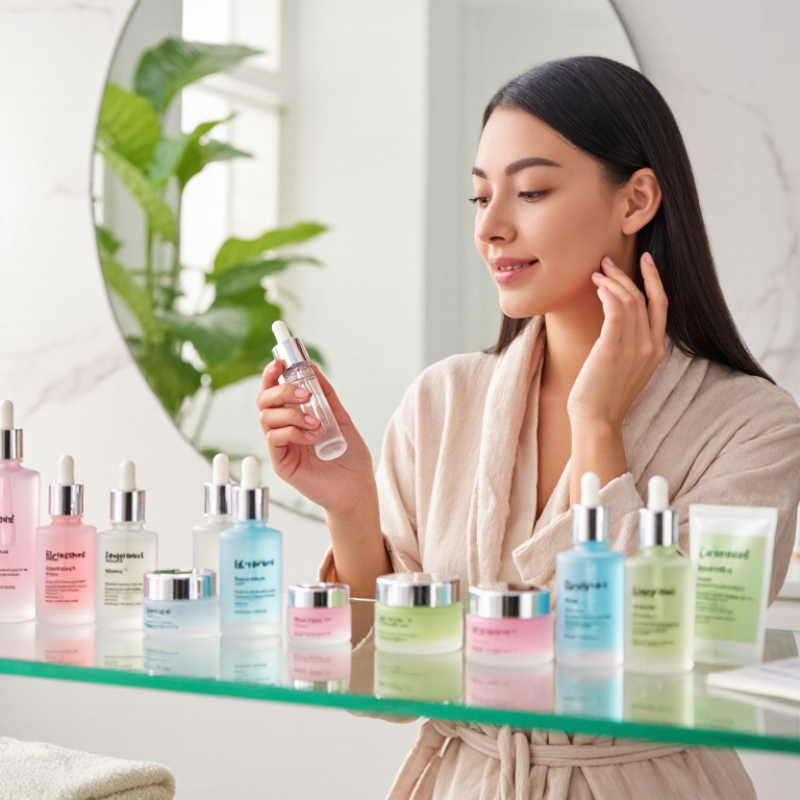
The global beauty market is moving toward a projected $580 billion by 2027, according to McKinsey’s market outlook. Skincare remains a major growth engine because consumers increasingly connect appearance with health, confidence, and daily comfort. Demand is shifting from complex routines toward products with clear functions, such as barrier support, hydration, and protection from environmental stress.
In my experience, shoppers now read ingredient lists more carefully and compare claims across several sources. They want visible results, but they also expect gentle formulas and transparent testing. Younger consumers often discover routines through short videos, while older customers may rely on dermatological advice. This creates opportunity, but not every viral ingredient deserves attention. Some trends fade quickly. That is easy to forget.
Tips: Keep routines practical. Use a gentle cleanser, moisturizer, and daytime protection. Add one targeted product only after observing your skin for several weeks. Look for evidence, usage guidance, and realistic claims. Patch testing can reduce avoidable irritation, although it cannot predict every reaction.
The strongest future demand may come from personalized care, refill-conscious packaging, and products designed for sensitive skin. However, market forecasts are not guarantees. Inflation, regulation, ingredient costs, and changing consumer trust could alter the path to $580 billion. Responsible skincare companies will need useful education, reliable evidence, and honest communication rather than exaggerated promises.
Consumers want visible evidence, not only glowing promises. They compare ingredients, study duration, and realistic timelines. A measured 12-week trial can feel more trustworthy than a dramatic image.
Credible claims identify the active ingredient and testing conditions clearly. They explain whether researchers measured hydration, pigmentation, or barrier function. Reliable tools matter. So does plain language.
No. A higher percentage may increase irritation without improving performance. Delivery systems, stability, and regular use can matter more. I once assumed concentration was everything. Real use changed my view.
The timeline depends on the skin concern and study design. Some hydration changes may appear quickly. Pigmentation or barrier improvements often require consistent use over several weeks.
It should describe the sample size, skin tones, sensitivities, and testing period. A small or short study cannot prove universal results. Individual responses still vary.
Honest warnings help consumers make informed choices. Instructions may include patch testing and gradual application. Redness, stinging, or dryness should not be hidden behind polished claims.
Consumers may search, watch demonstrations, compare textures, and read reviews before buying. One video rarely explains the entire decision. The final click is not the whole story.
They ask whether a formula pills under makeup or suits humid weather. They may also check compatibility with other active products. These details often matter more than perfect-looking content.
No. Online explanations can reduce confusion, but they may oversimplify skin conditions. More views do not guarantee better guidance. Evidence needs context.
Look for clear citations, testing methods, realistic timelines, and usage instructions. Notice what the evidence does not prove. Daily experience may reveal irritation, pilling, or missed applications.
The skincare market is entering a period of strong growth, with global beauty sales projected to reach $580 billion by 2027. In 2026, what drives consumer demand for skincare products will be a combination of proven efficacy, personalized solutions, convenient digital discovery, and responsible value. Consumers increasingly want products supported by credible science, clear ingredient information, and visible results rather than exaggerated claims. At the same time, diverse skin types and concerns are encouraging more flexible routines tailored to individual needs.
Online platforms will continue to shape how people research, compare, and purchase skincare, making education, reviews, and transparent product details especially important. However, performance must be balanced with affordability and sustainability. Shoppers are becoming more conscious of pricing, product longevity, recyclable packaging, and overall environmental impact. Companies that combine effective formulas, accessible pricing, personalized guidance, and thoughtful packaging will be better positioned to meet evolving expectations and build lasting consumer trust.

 ROTT Beauty